Our expertise is diverse and exciting!

Thanks to our internal skills and our cross-disciplinary team of stage managers, architects, and engineers, we support projects from the competition stage to the building’s completion, bringing these three complementary fields of expertise to bear. Our experience enables us to identify the scenographic challenges, and our engineering skills allow us to develop them into solid technical solutions.

Program and operation

Be involved from the earliest stages and throughout the project, working closely with the economic, political, and cultural stakeholders and key players. Create unique projects and innovative solutions to guarantee the visitor experience through an ever-increasing and constantly evolving range of artistic forms.

Scenographic design

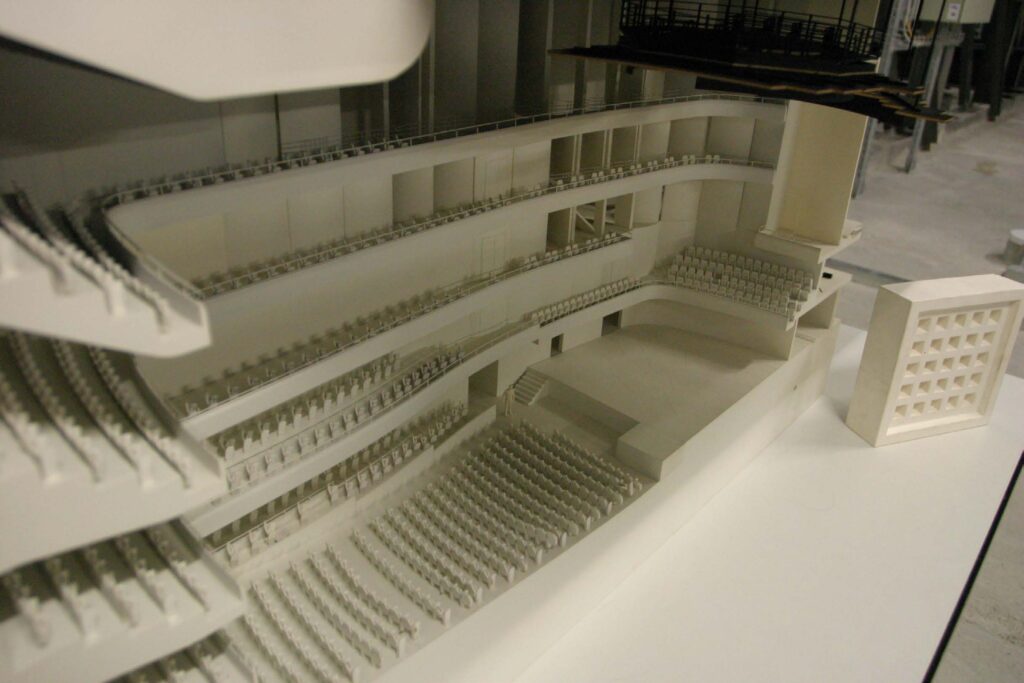
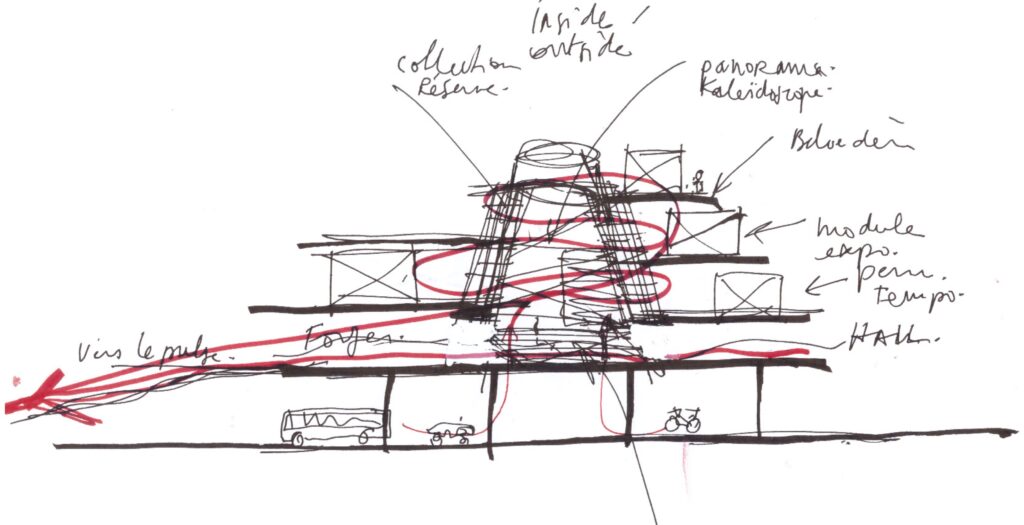
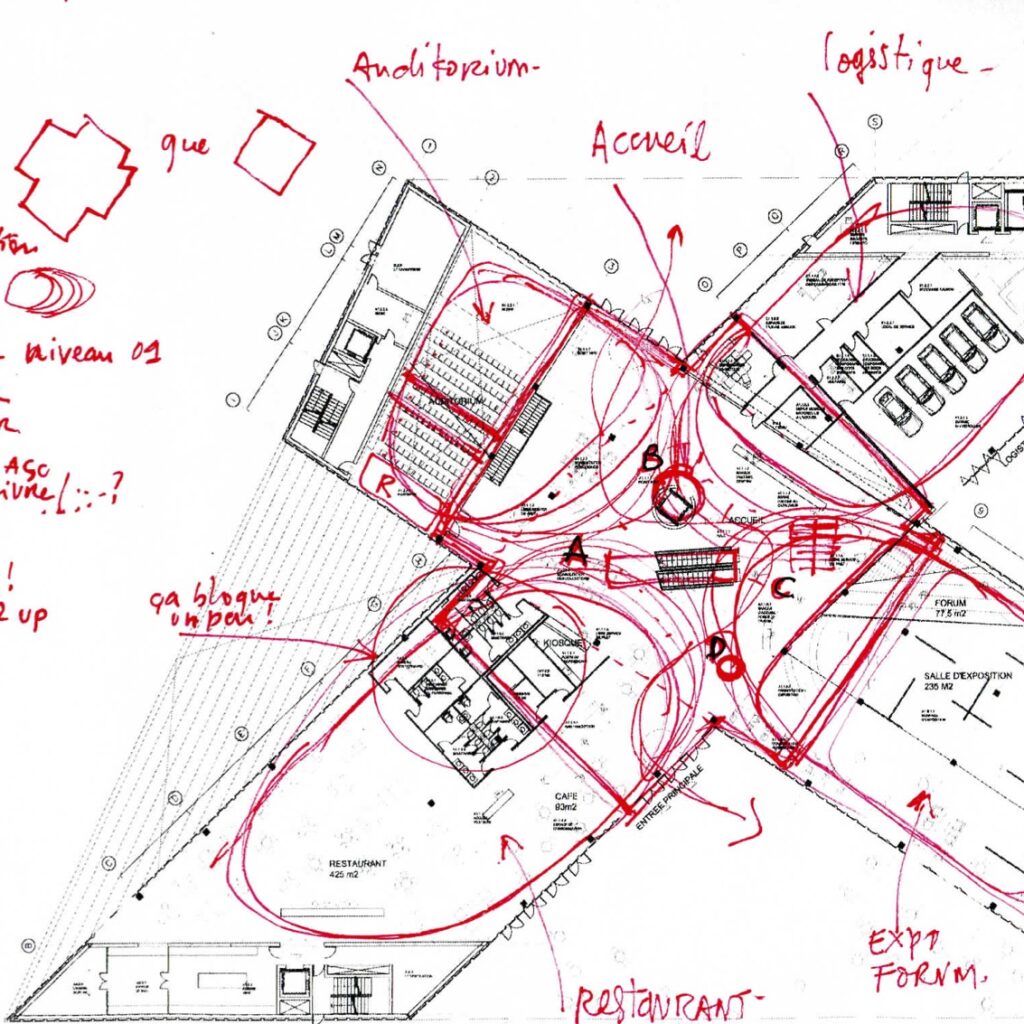
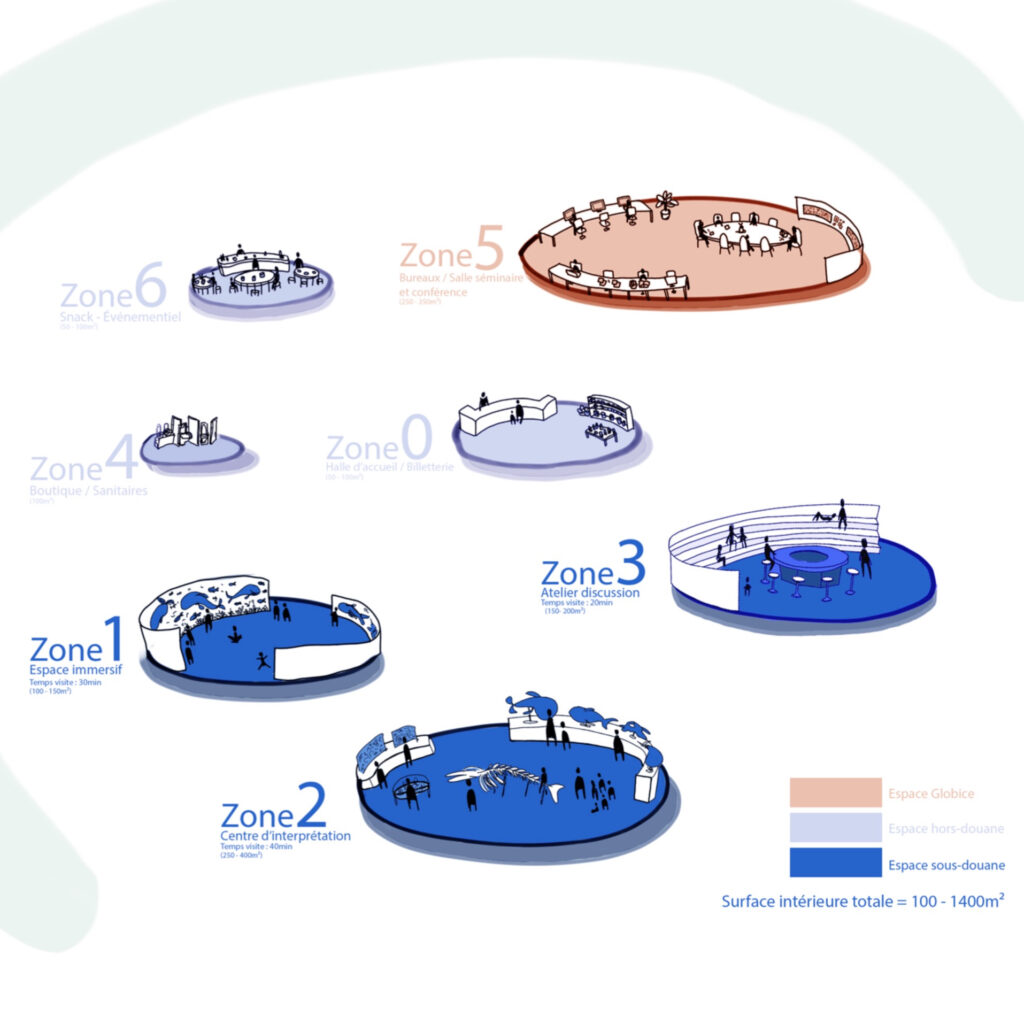
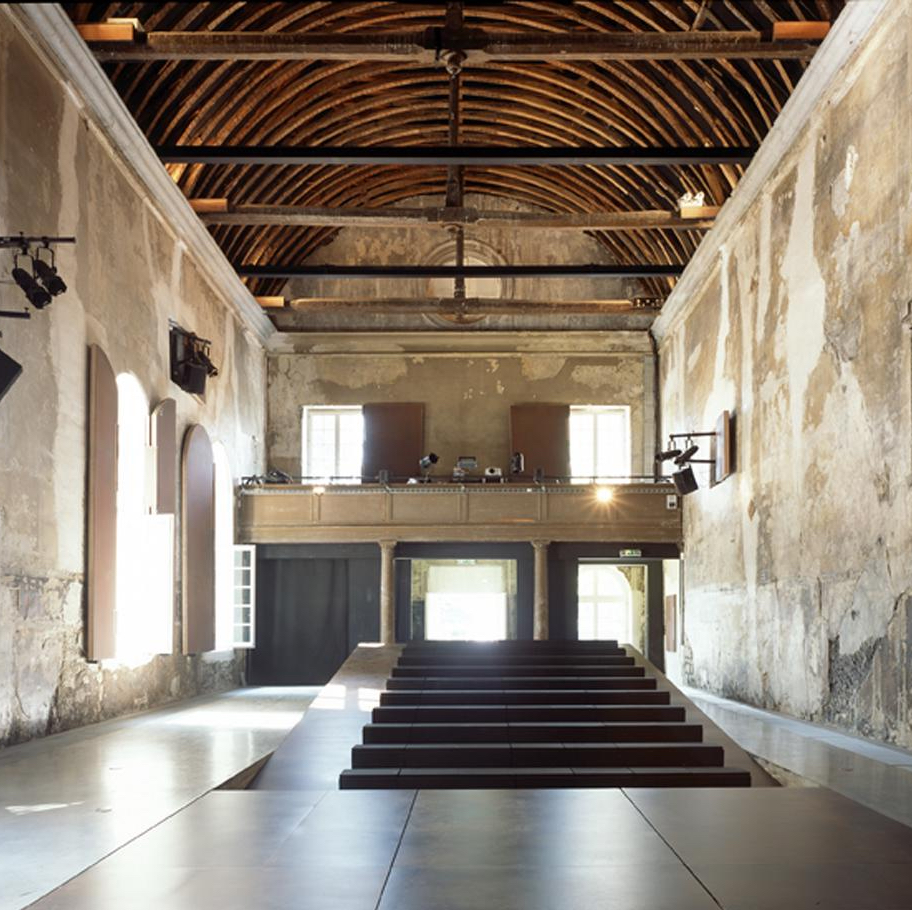
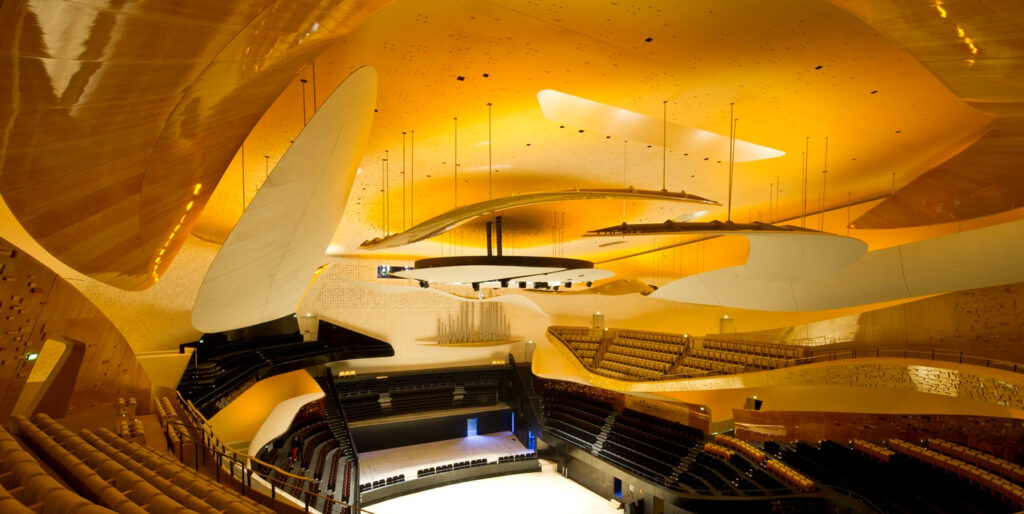
Support the definition of the functional program for the expected educational, artistic, and cultural performances. Work on the design of the scenographic project, which will be adapted to the program and integrated into the architectural concept. Assist the architect and client in the orientation and organization of volumes, spaces, circulation, and access to ensure artistic and technical exploitation.

Technical development

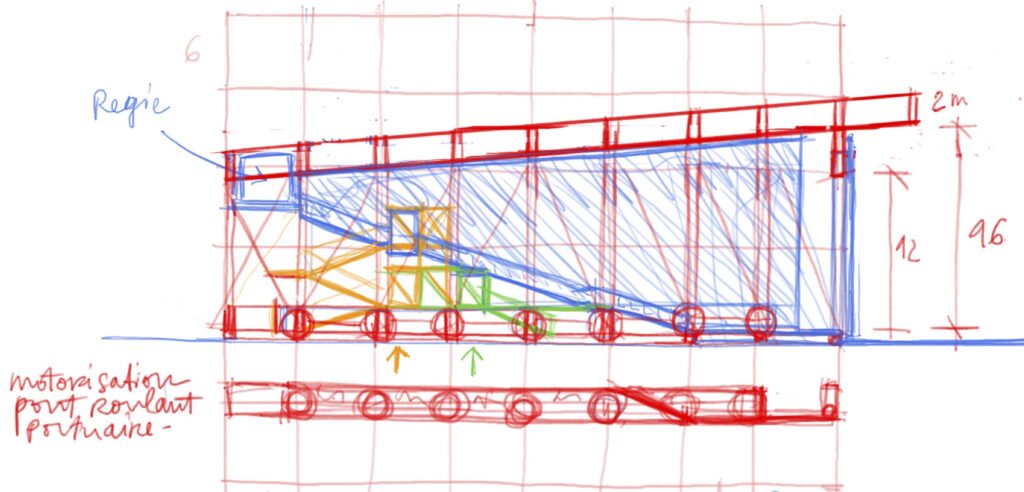
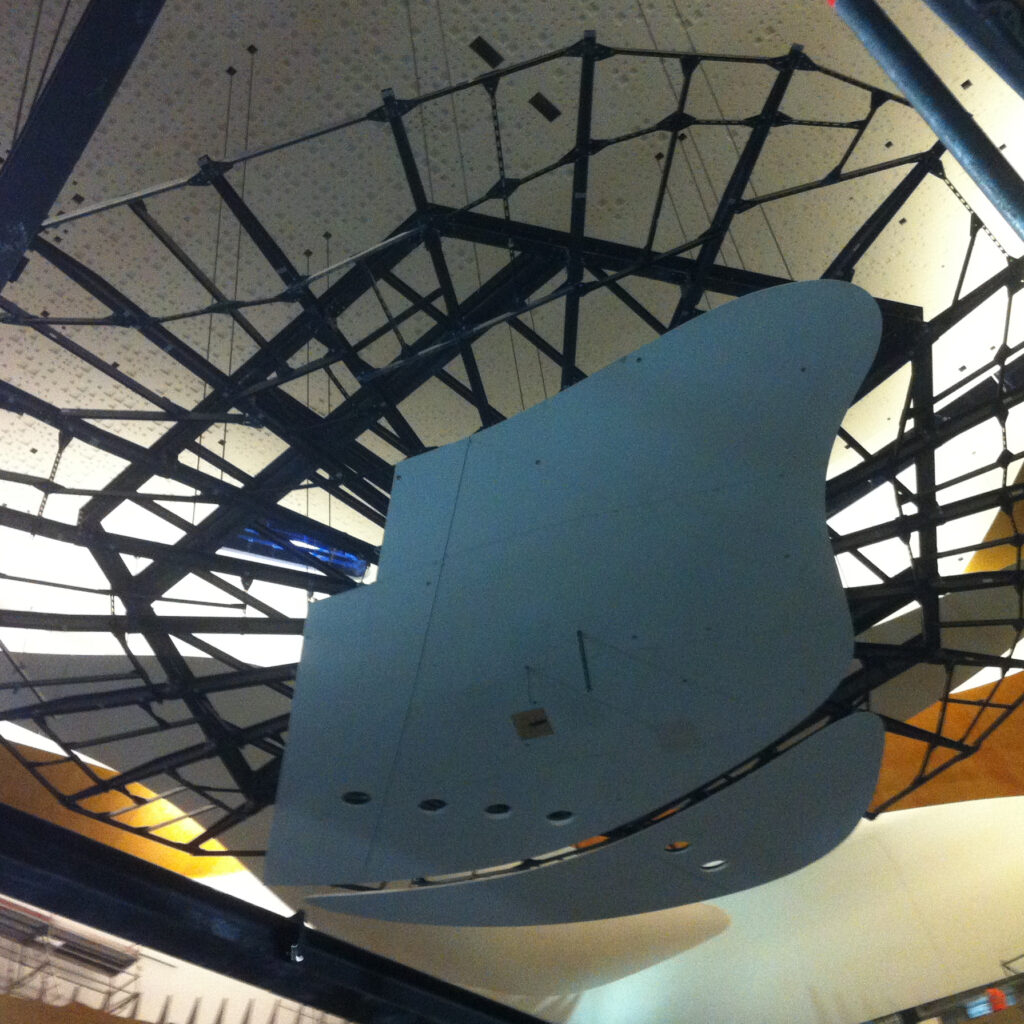
Develop technical concepts and ensure they are adapted to the various expected uses. Integrate the most suitable infrastructure and equipment available on the market, and develop new ones if necessary. Coordinate the integration of scenographic requirements into the studies of other technical consultants affected by and affecting the stage works.
Site supervision

Study, analyze, and approve technical proposals from contractors.
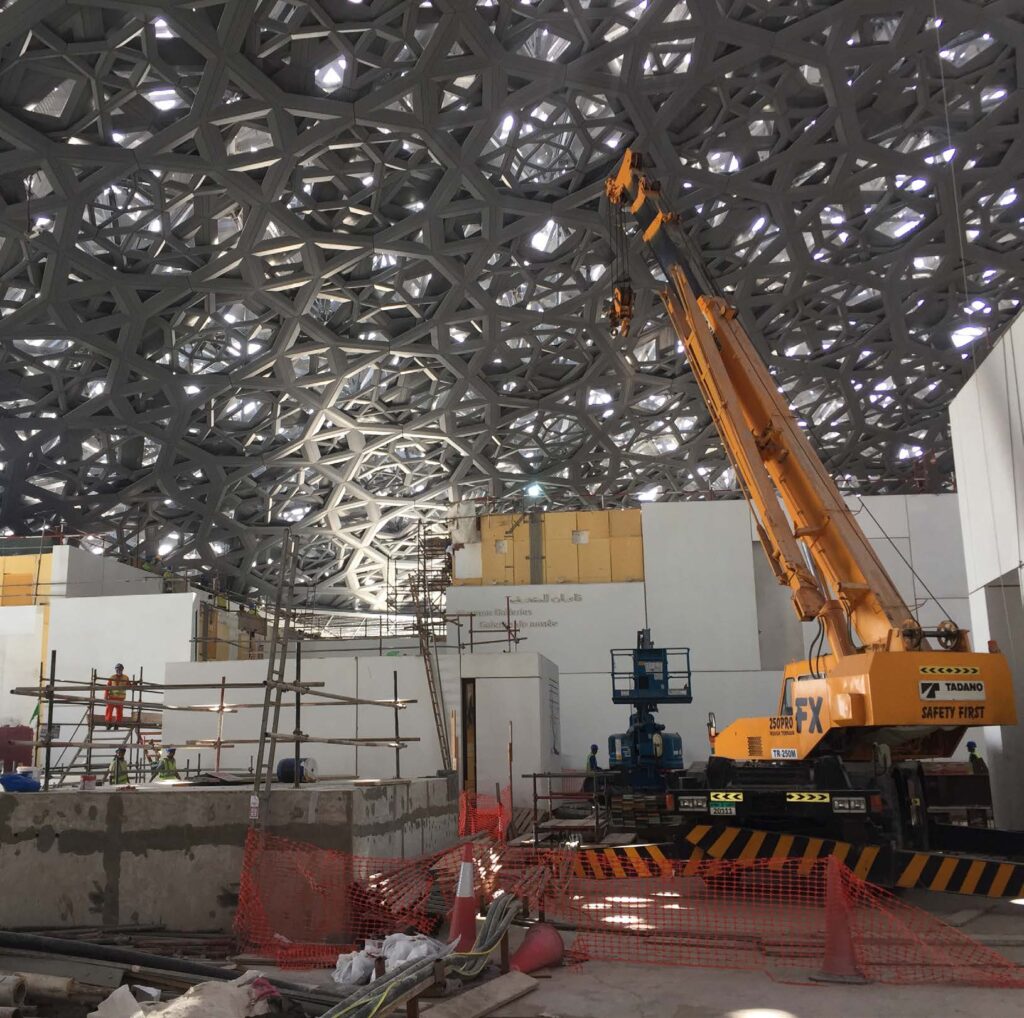
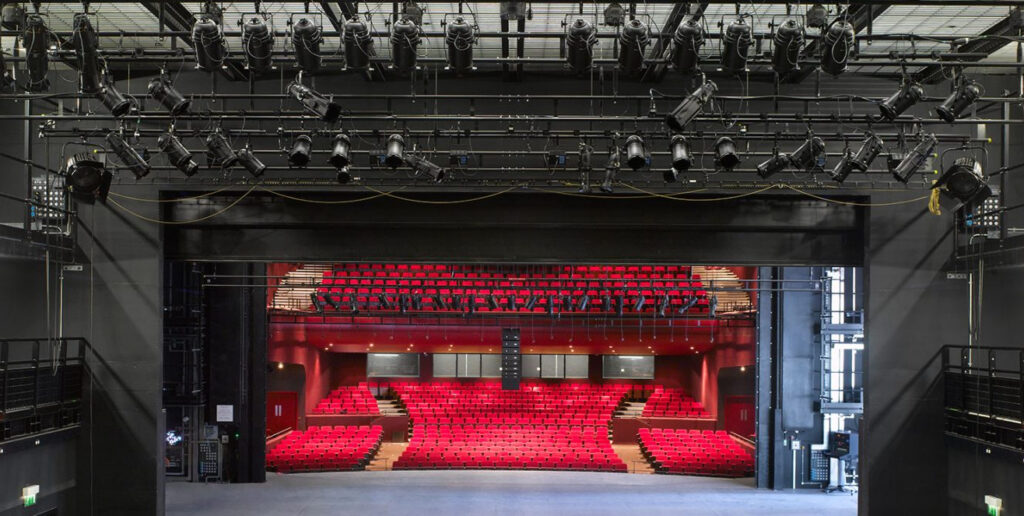
Monitor the installation and coordination of scenographic equipment, while ensuring integration with other structures. Define the required tests with test methods and conditions to analyze and validate results.
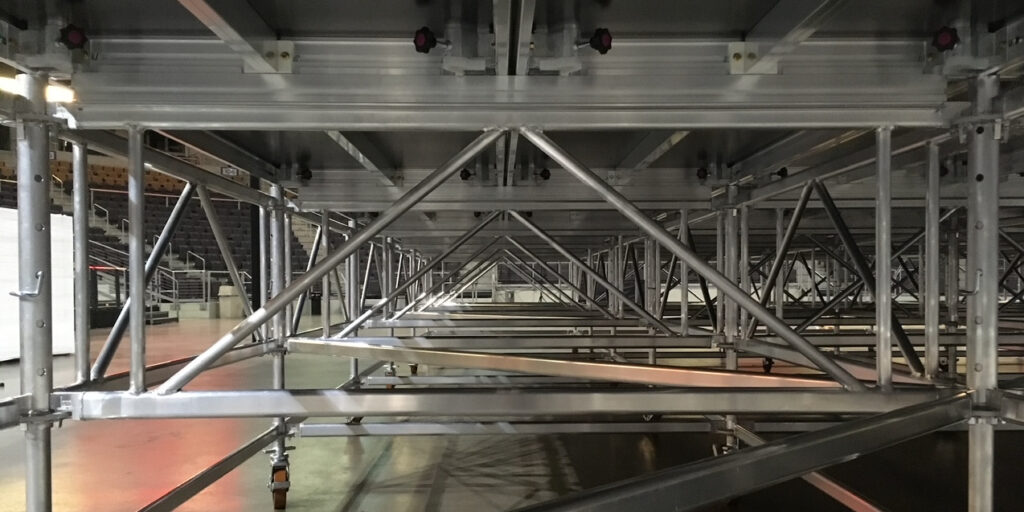
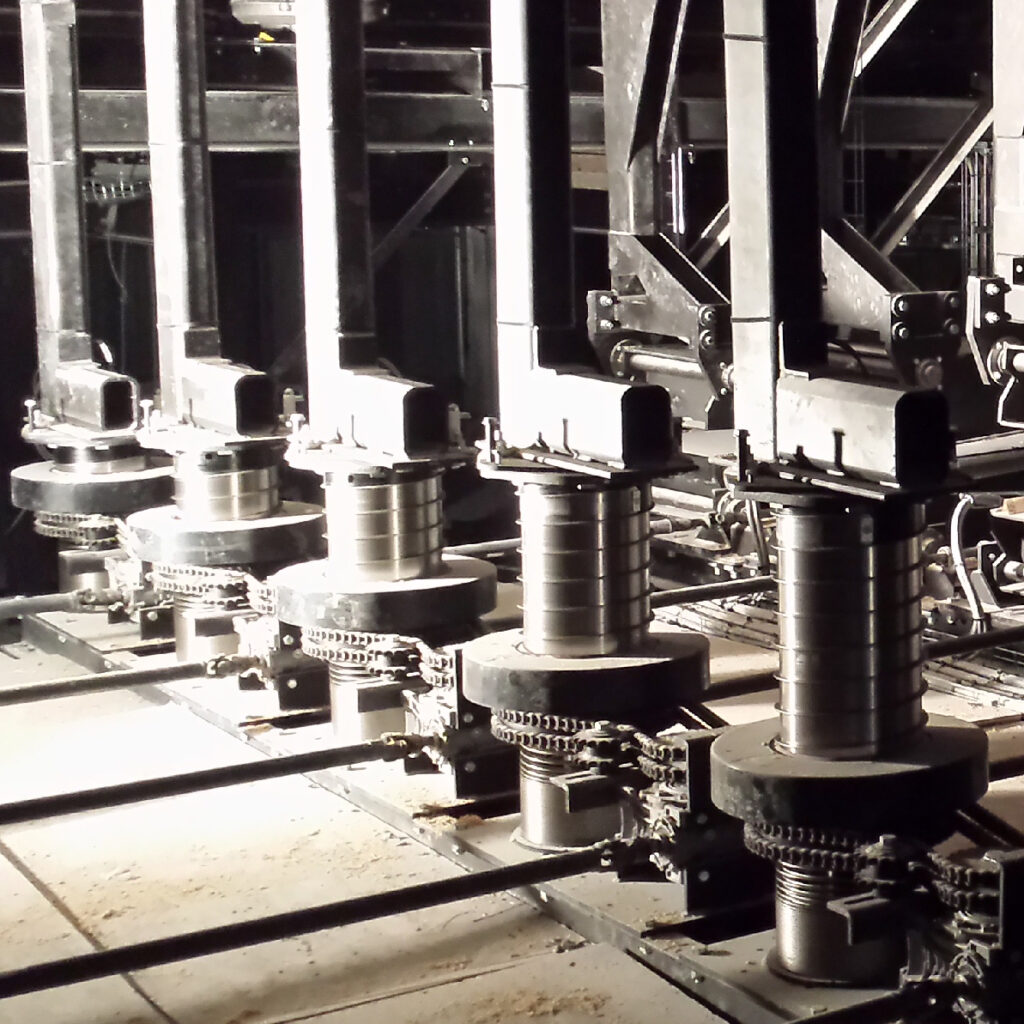
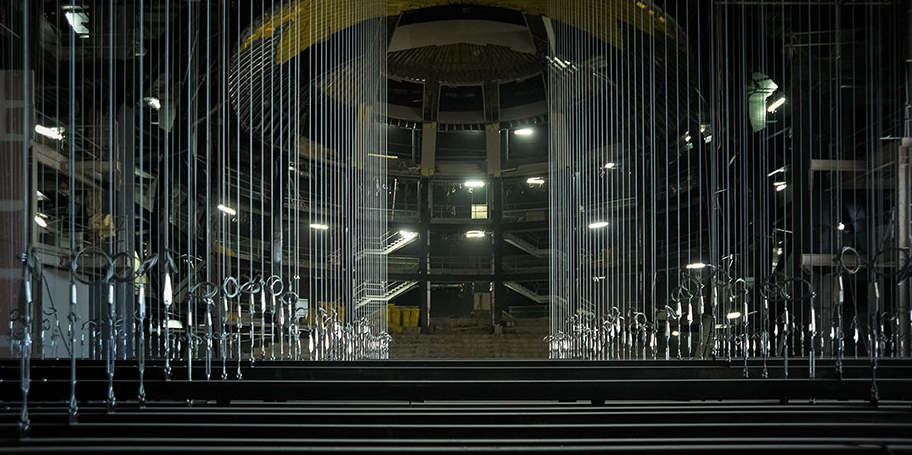
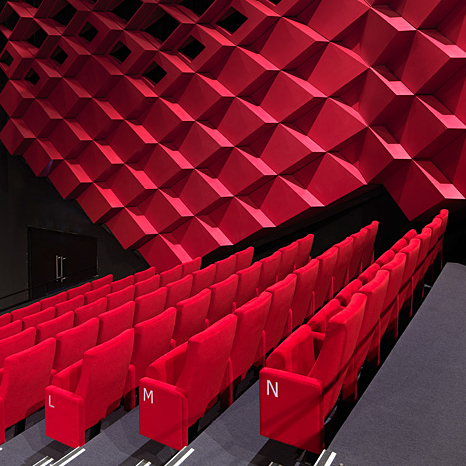
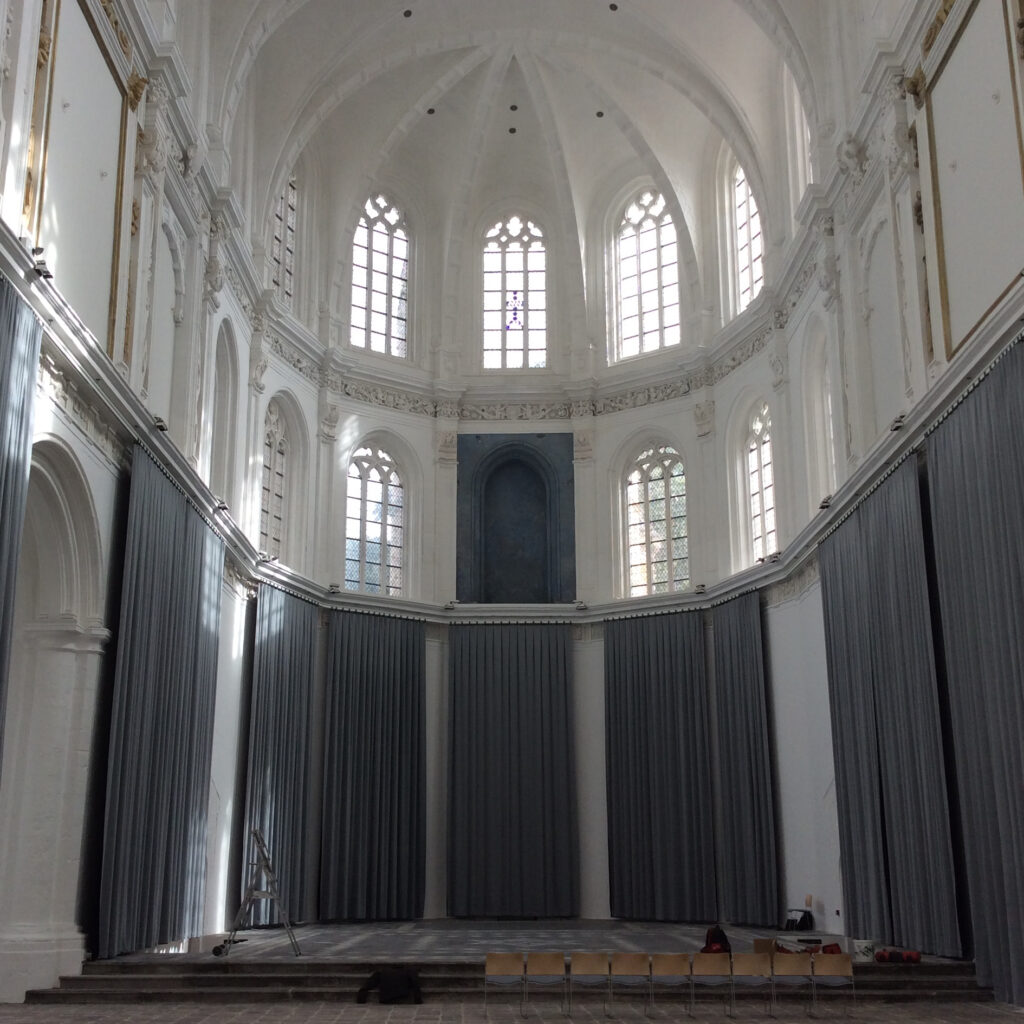
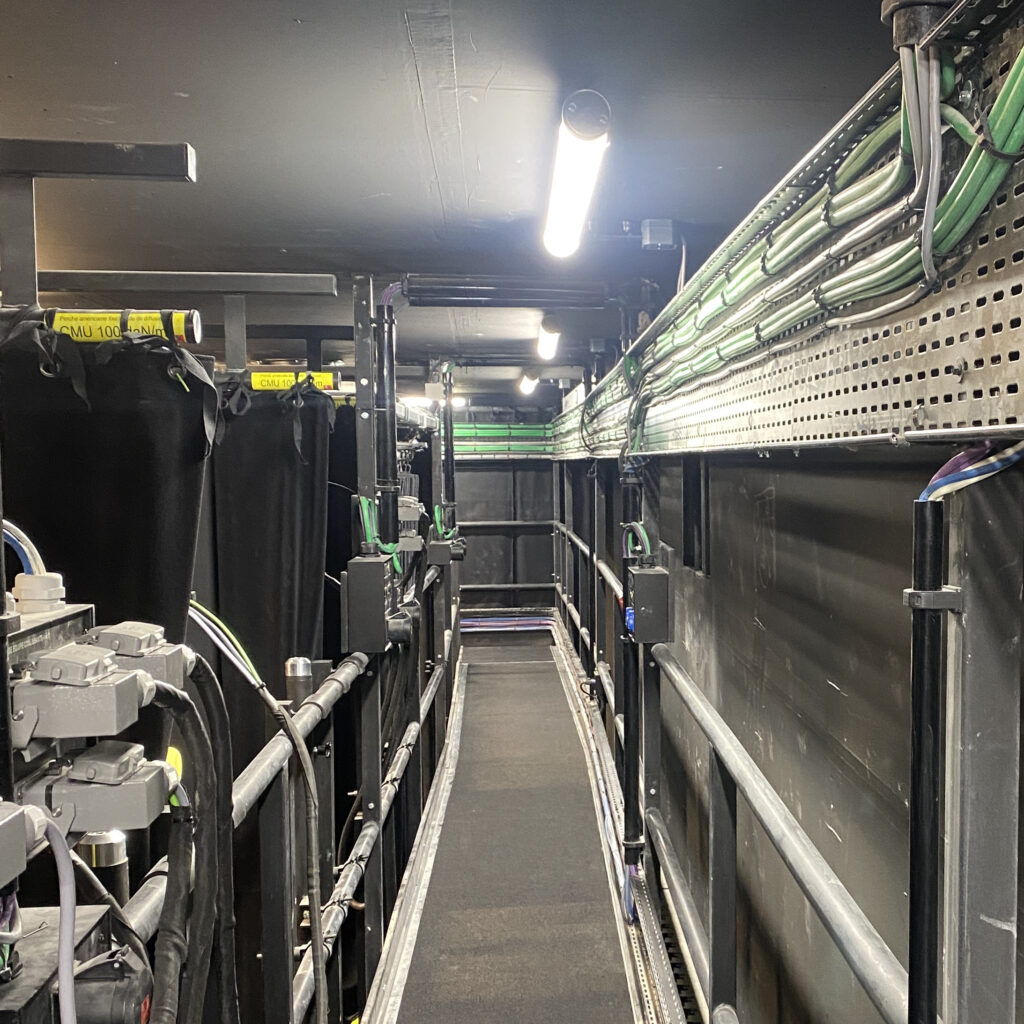
Hanging system, Stage machinery, Seats, and Curtains

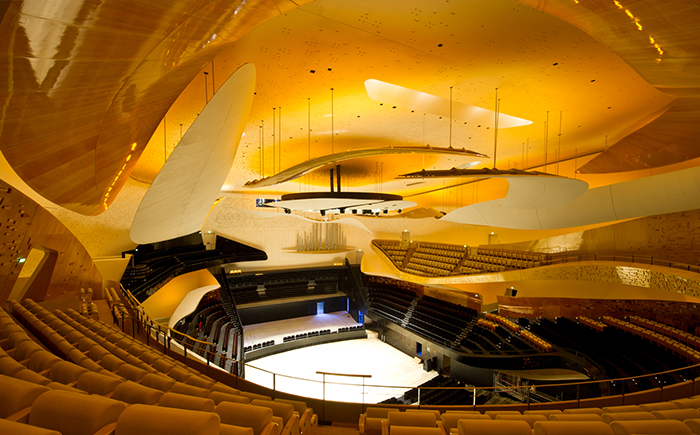
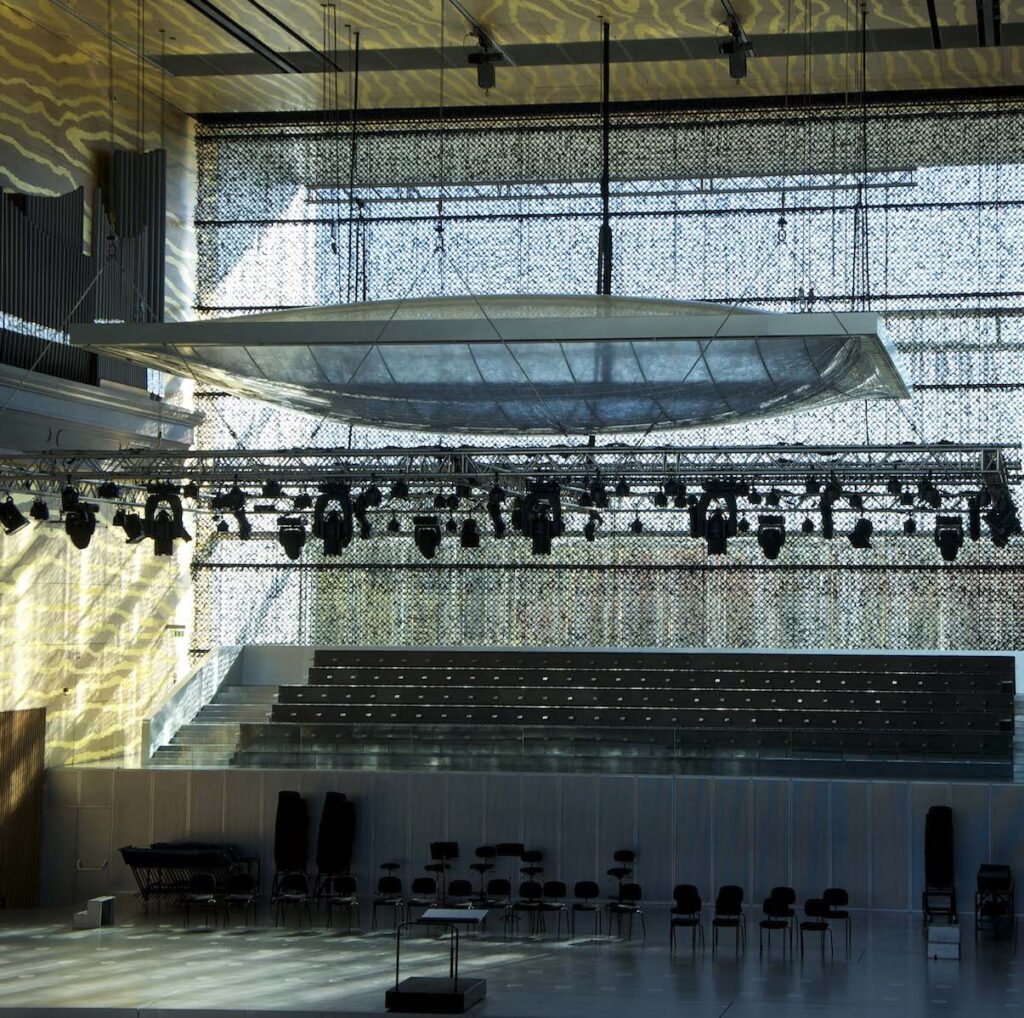
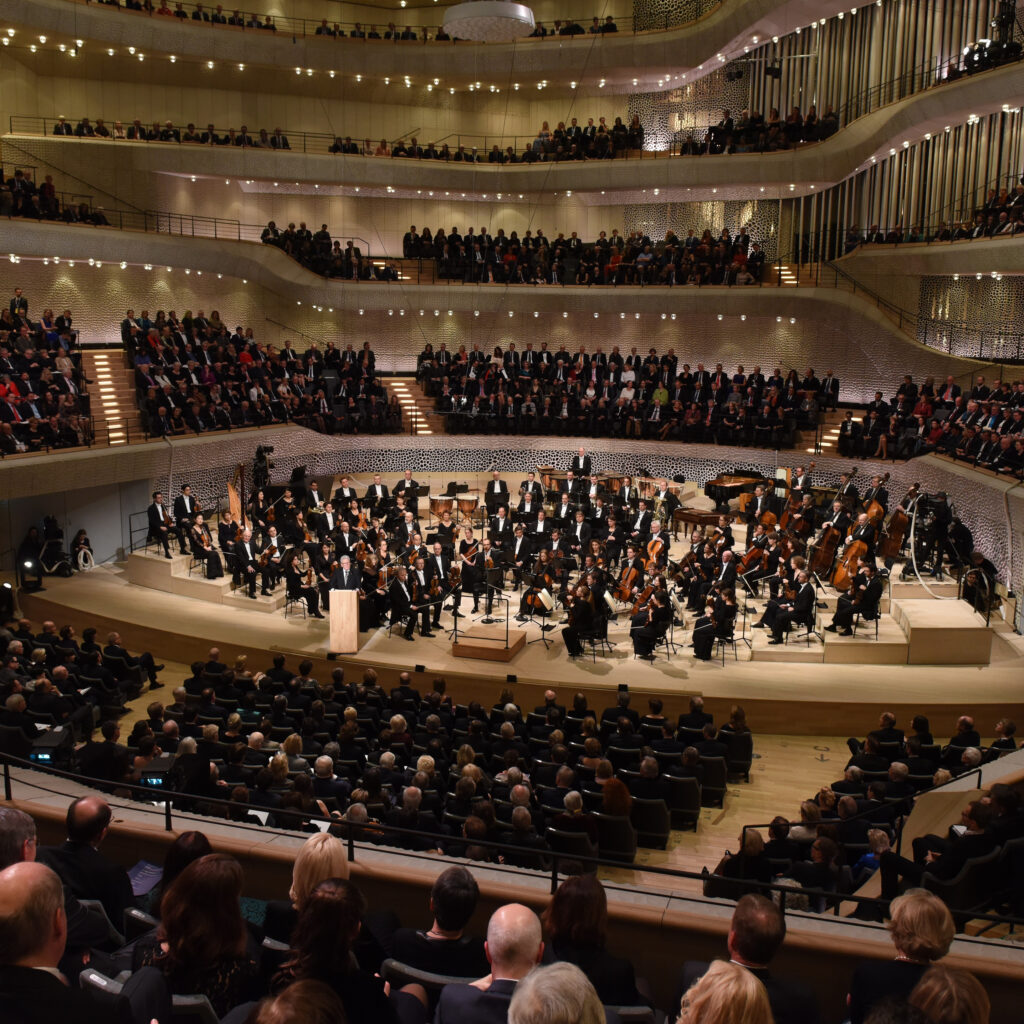
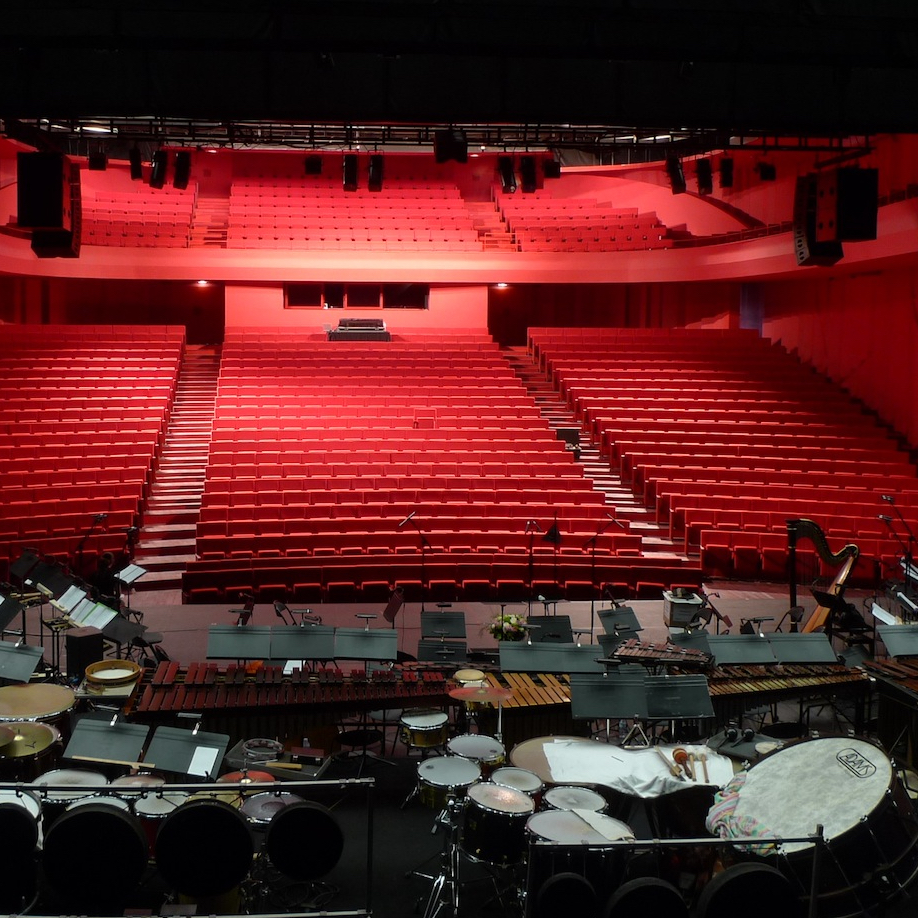
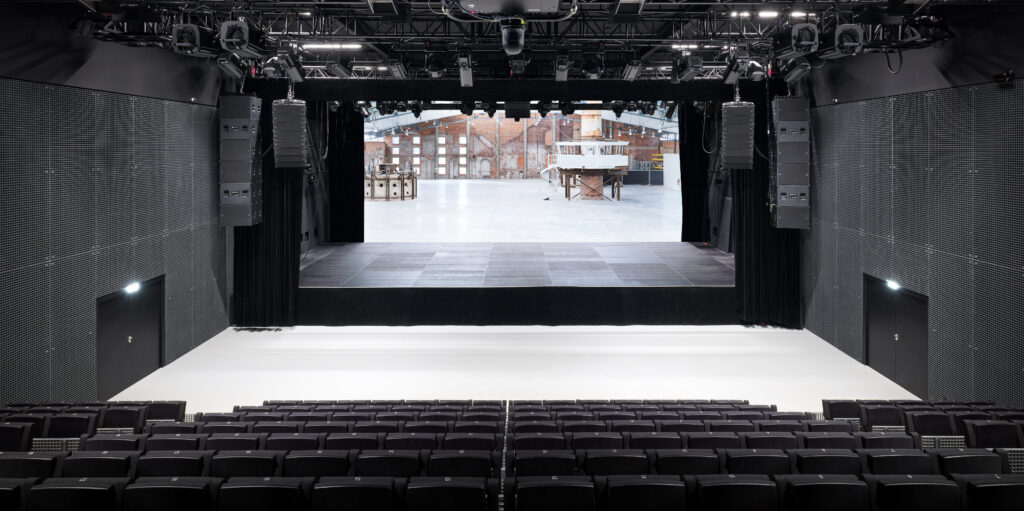
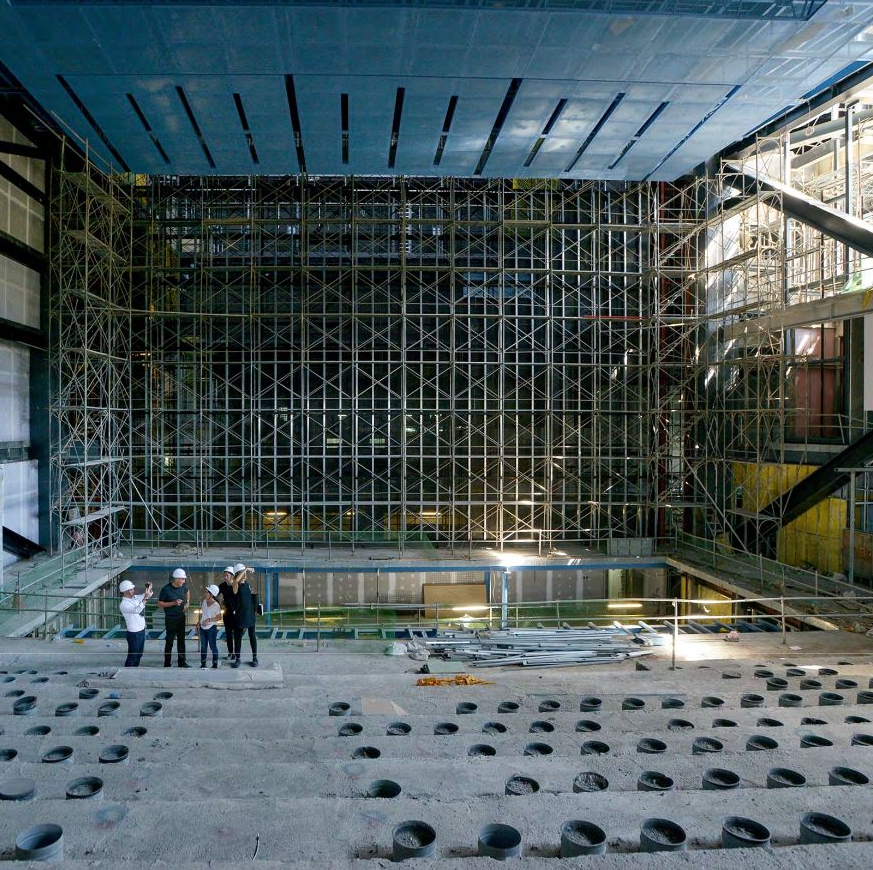
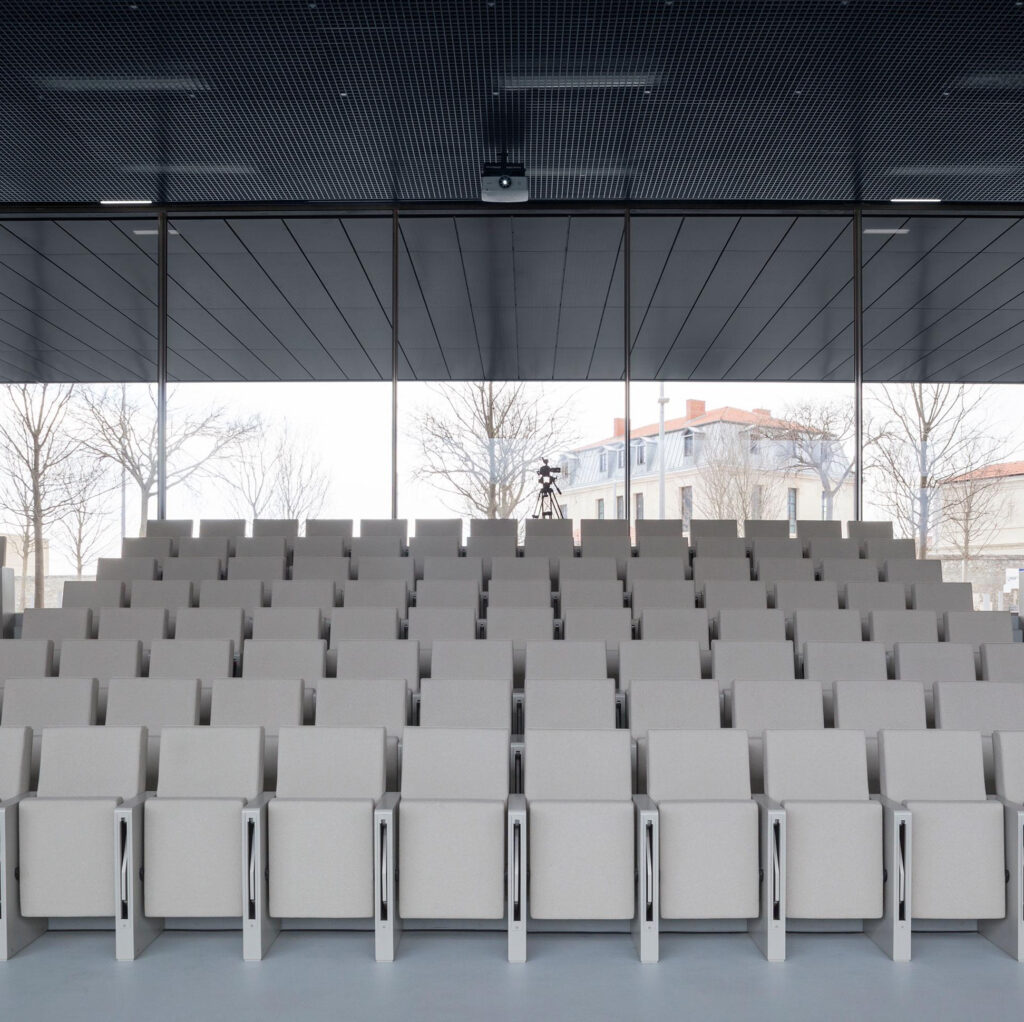
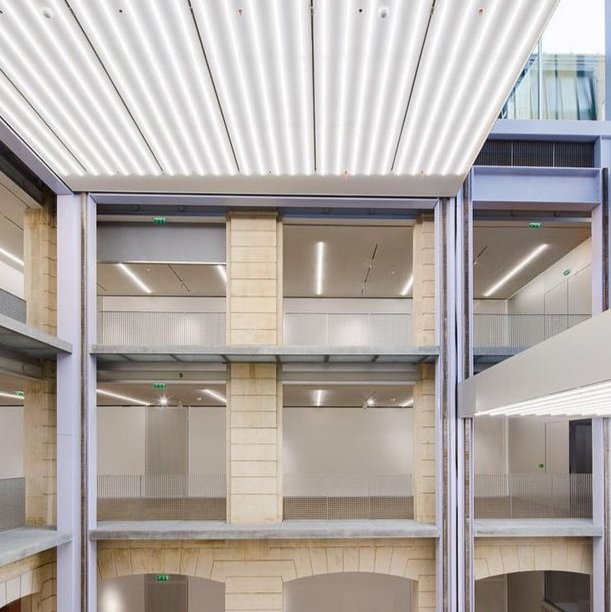
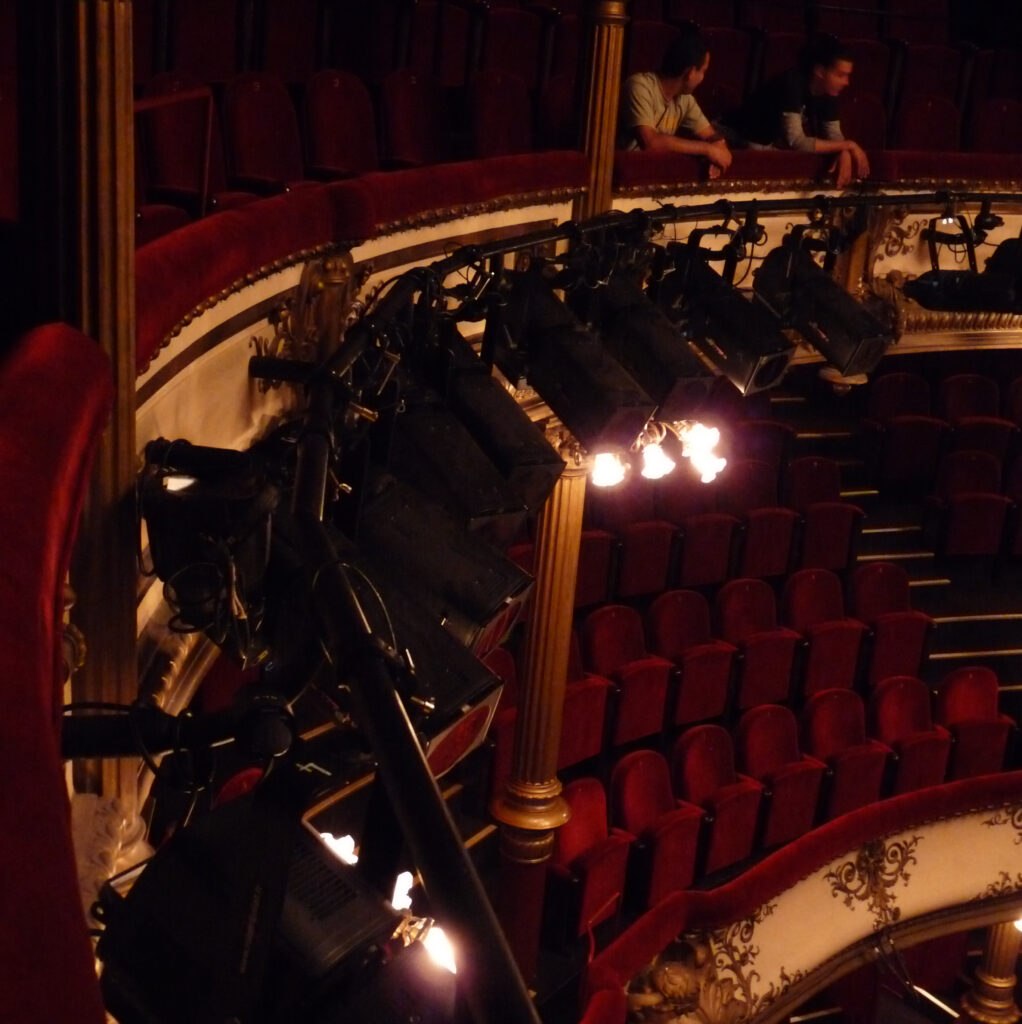
Any space hosting an event, performance, or audience is impacted by the scenography and must ensure that it operates in accordance with best practices and relevant safety standards. A dedicated structure, lifting and hanging equipment, a stage frame, and backstage areas are recommended, and the placement of seats and visibility will be studied.
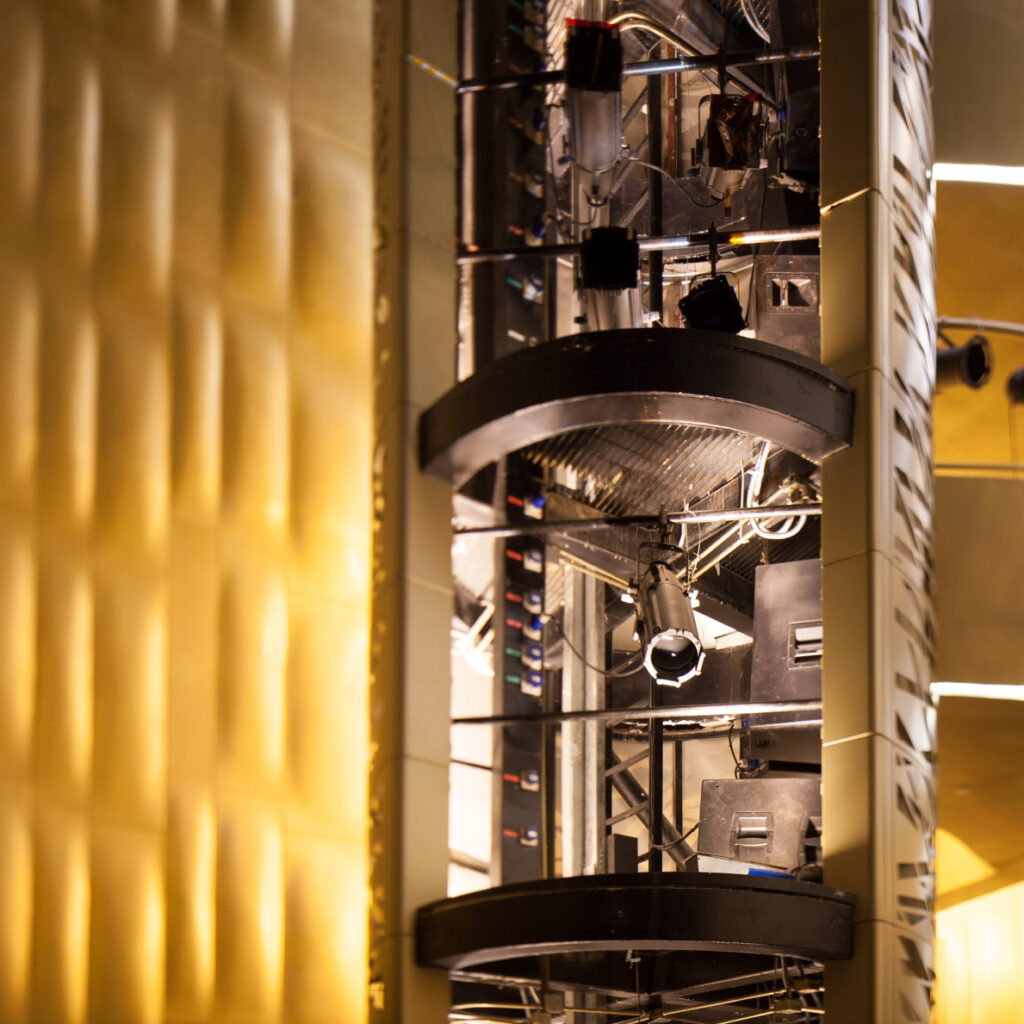
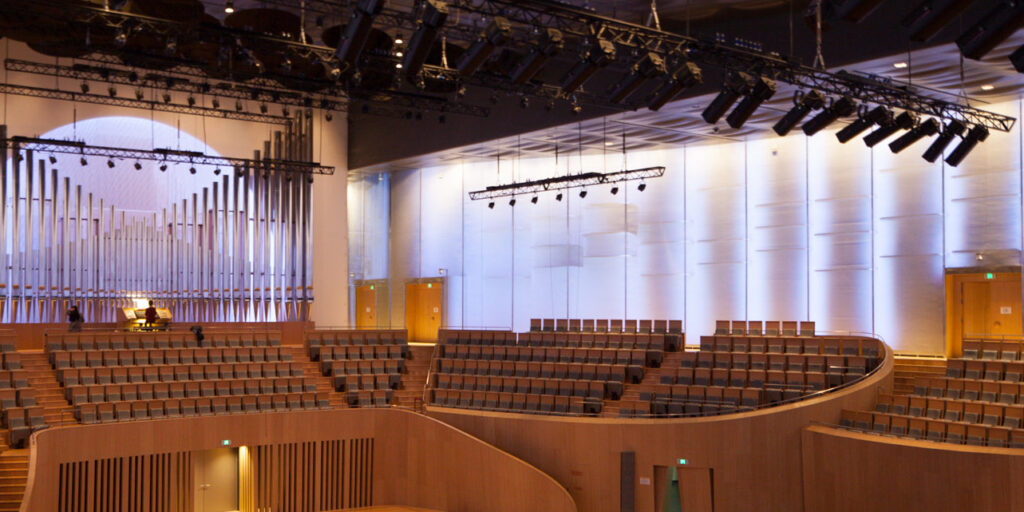
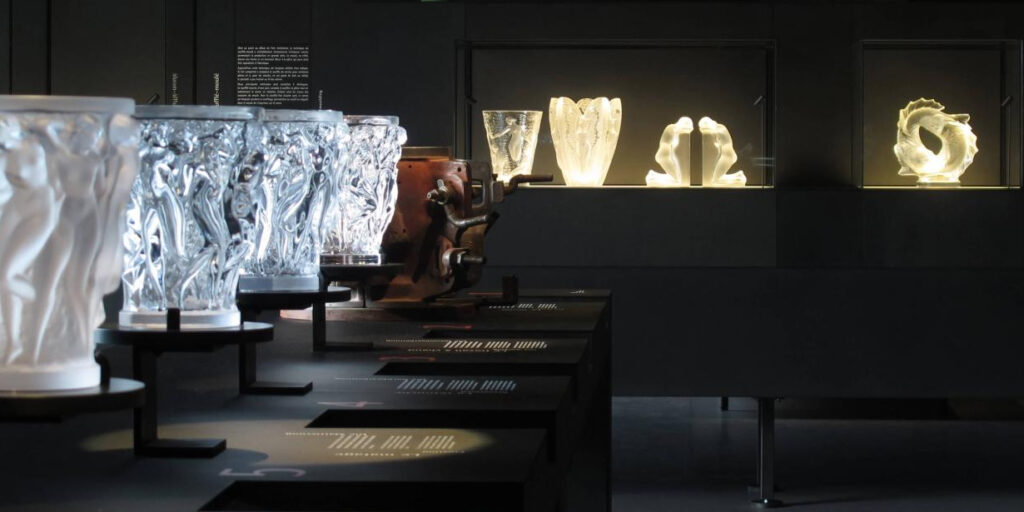
Stage and museum lighting

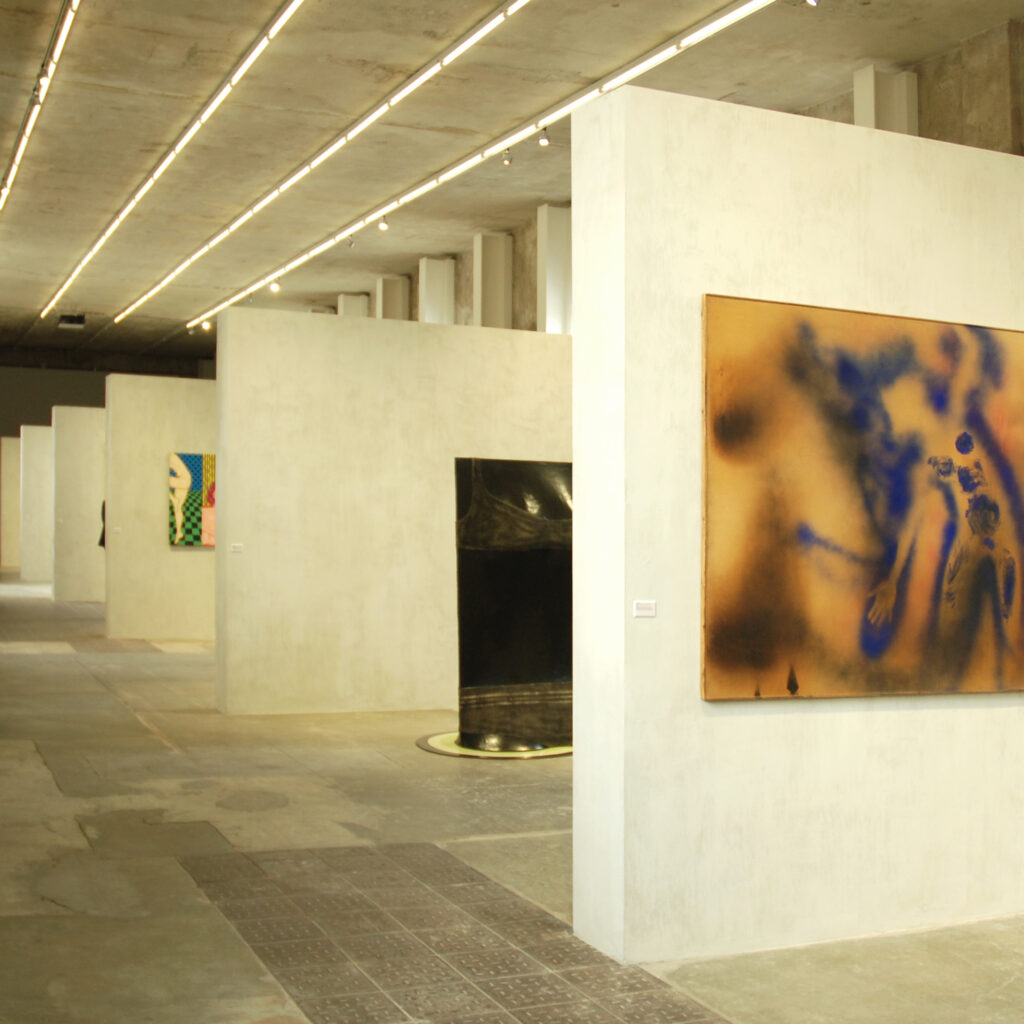
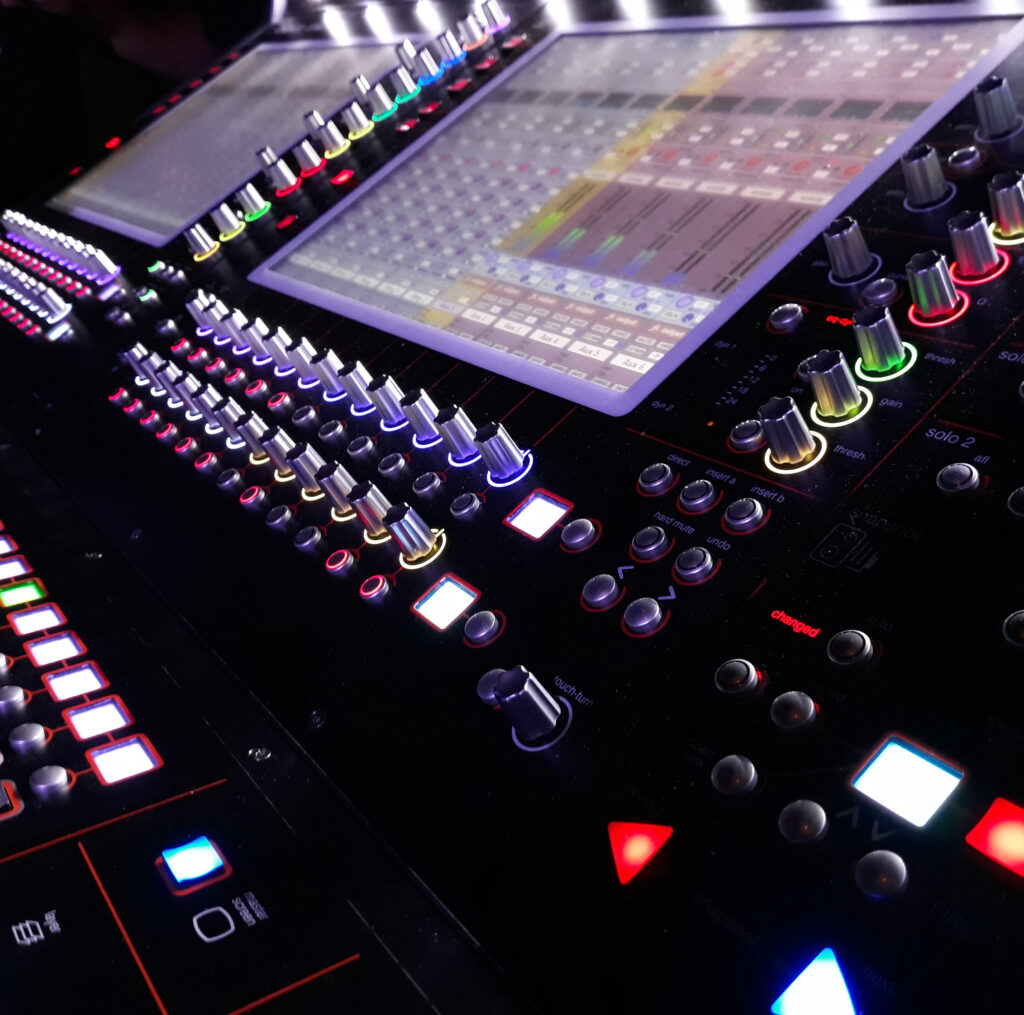
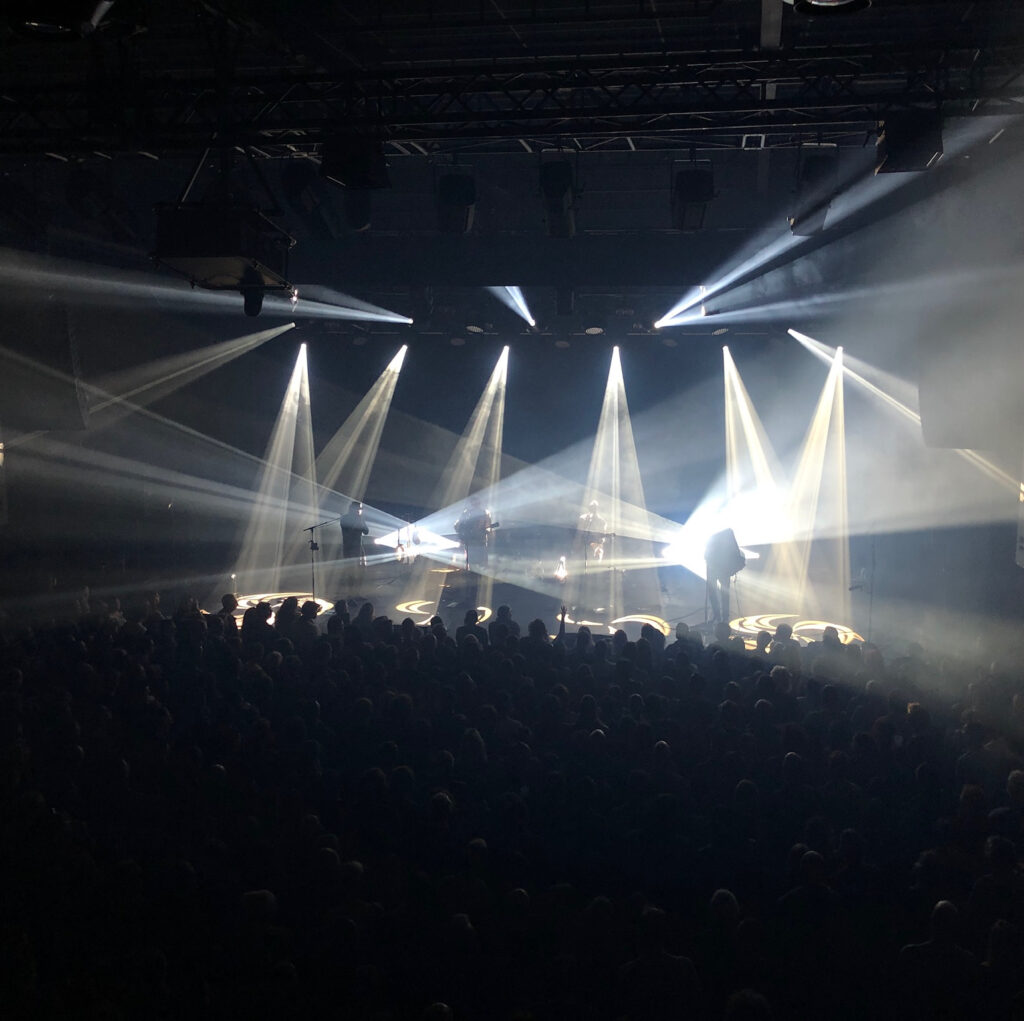
There are numerous lights in the stage area, the auditorium, and the wings. They are used for work during set-up, for lighting during the show, and for staging people and collections. All have specific infrastructure and equipment requirements and need to be flexible to allow for lighting design and technological developments.

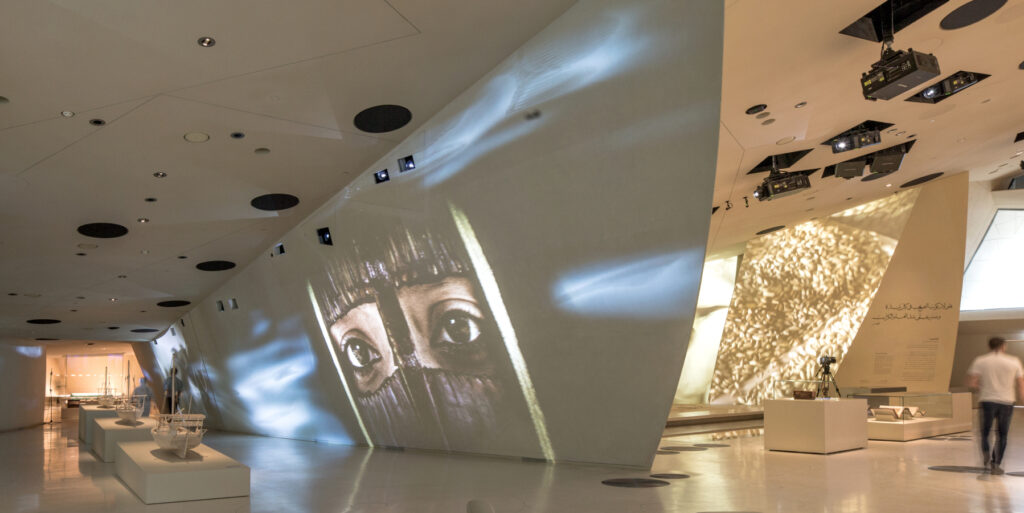
Audiovisual staging and museography

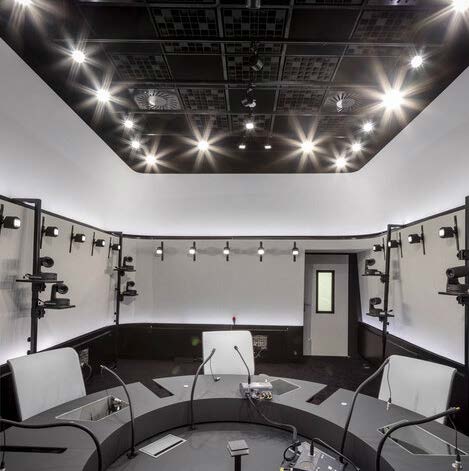
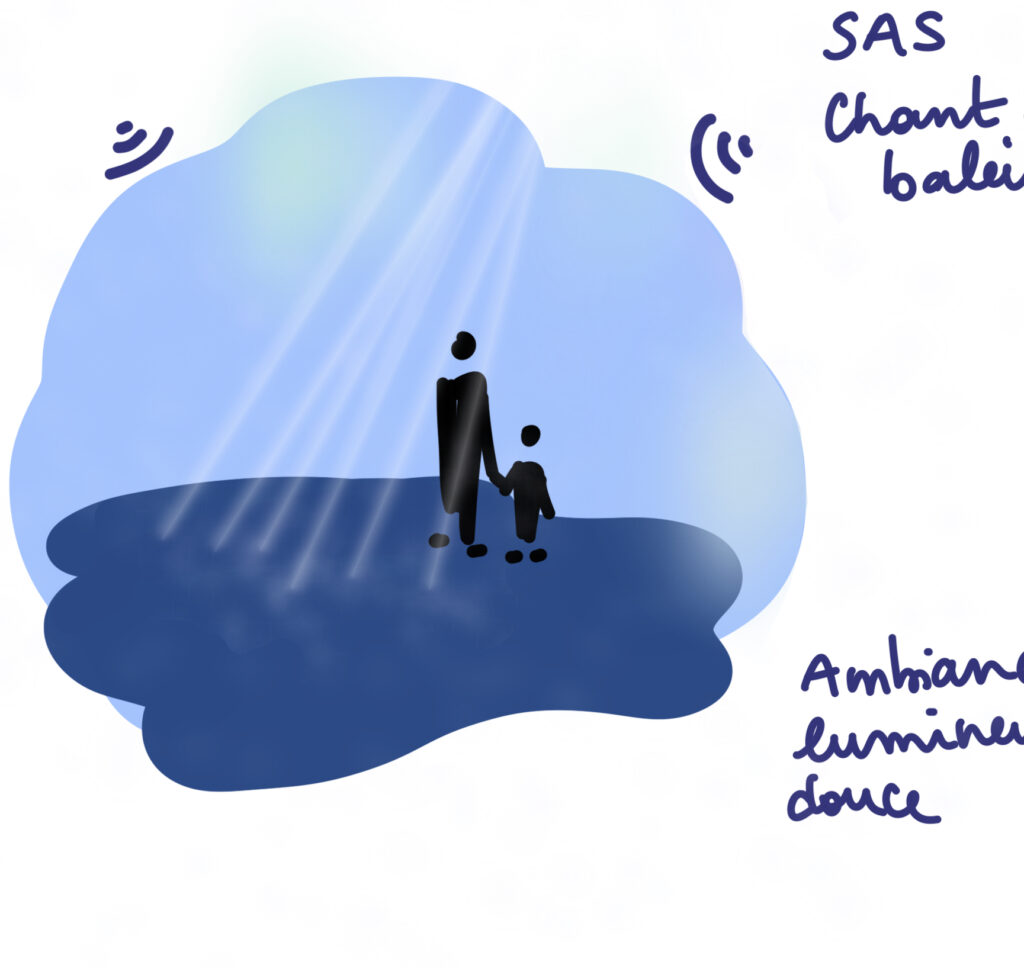
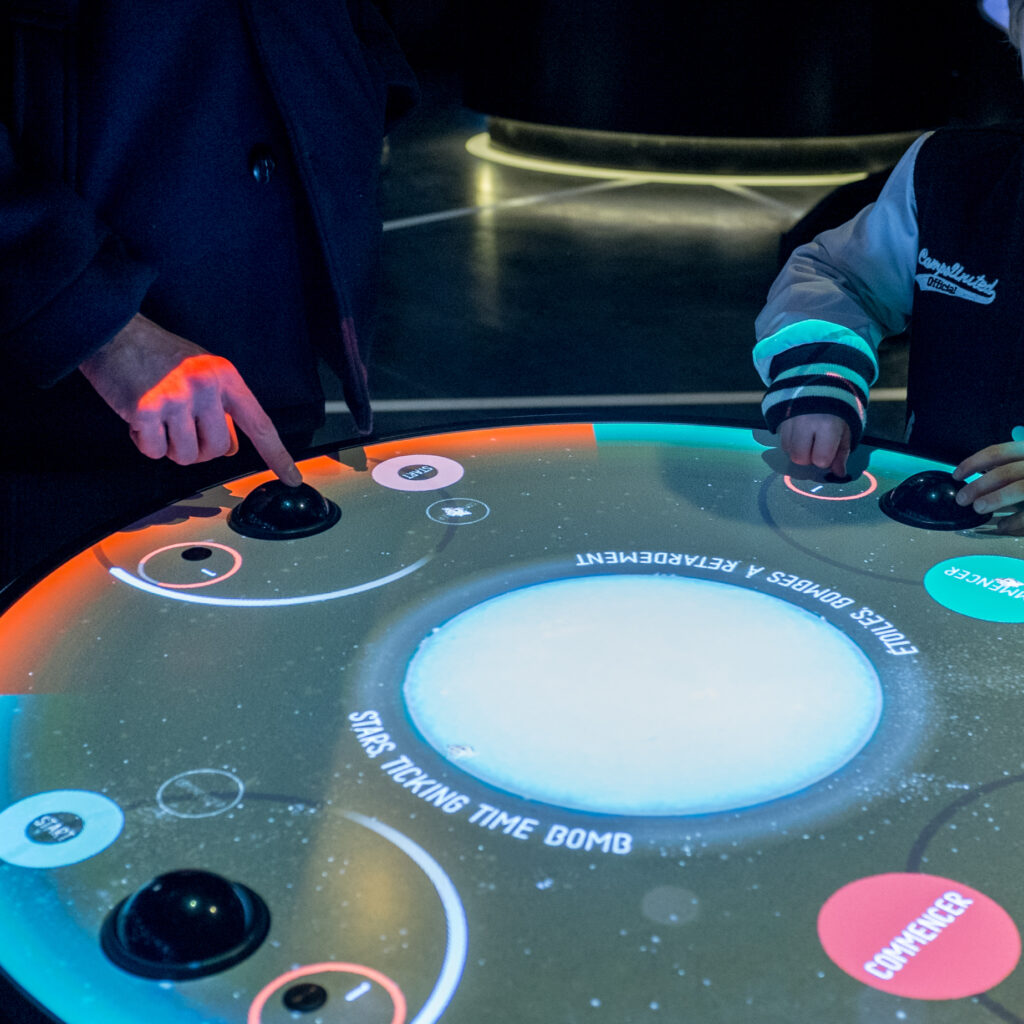
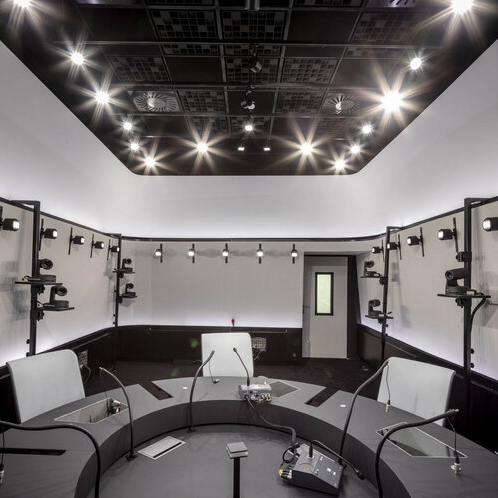
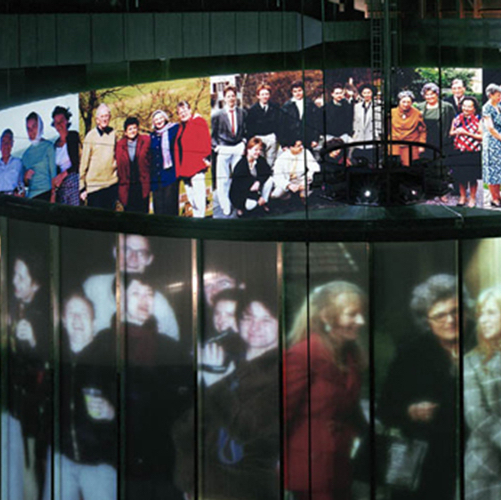
Where lighting is used on stage to highlight and direct the eye, audio and video amplify the message and travel from the stage to the audience. Like lighting, audiovisual equipment requires infrastructure and equipment that must meet very specific requirements to ensure optimal performance. The viewer’s experience then becomes immersive and emotions arise.

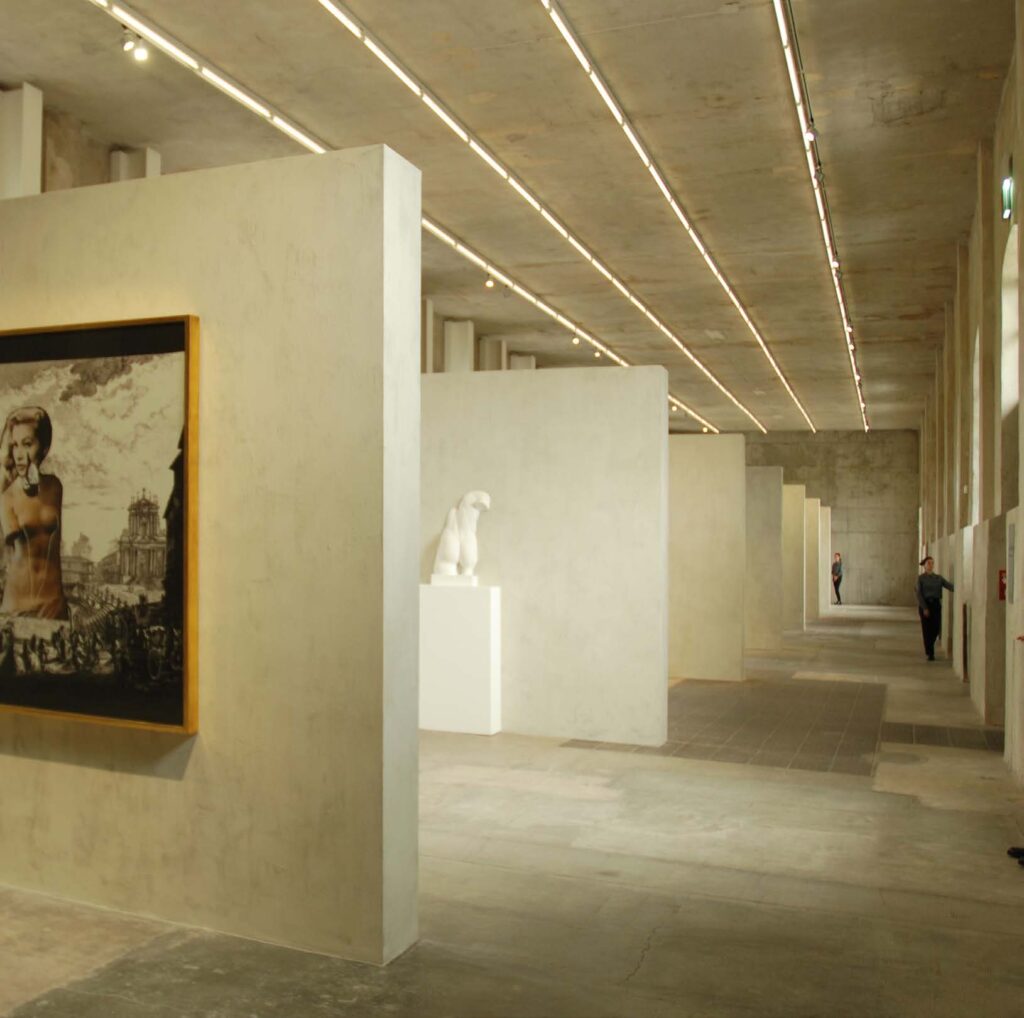
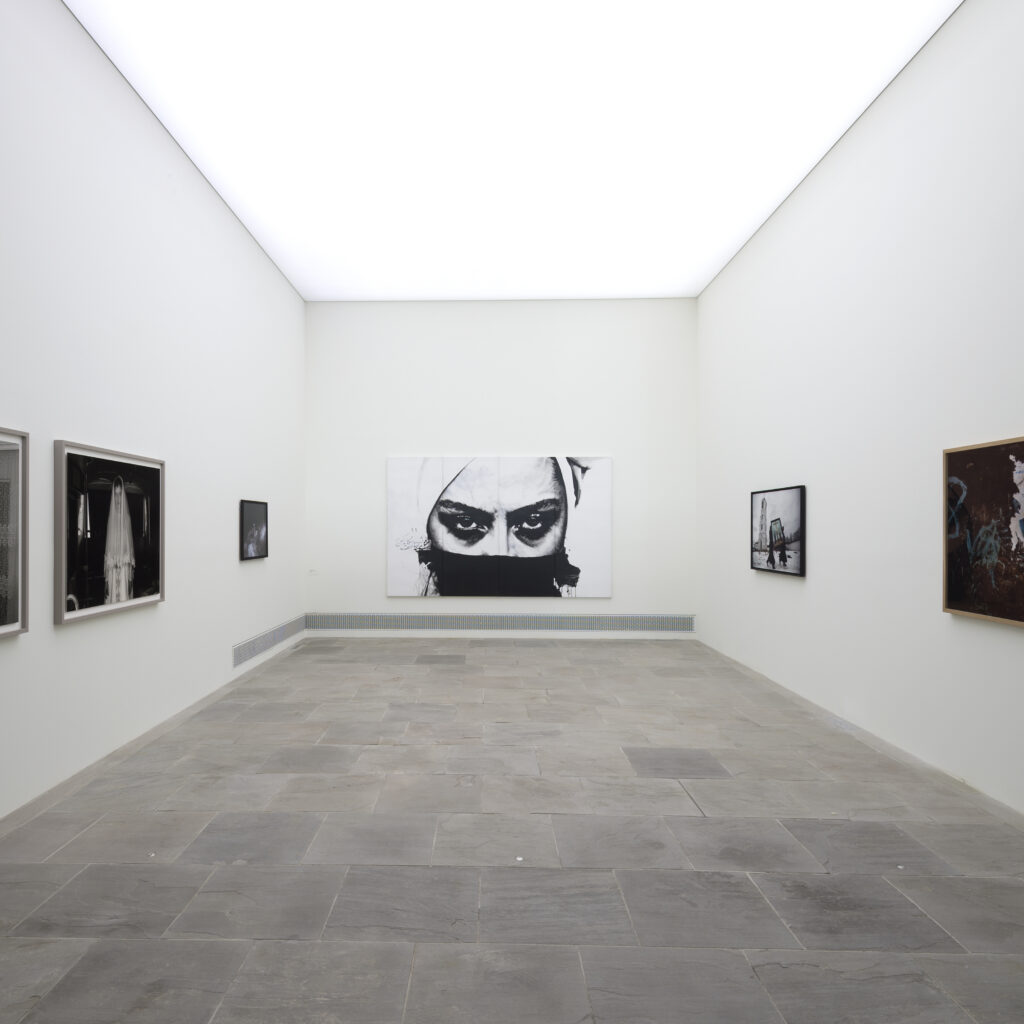
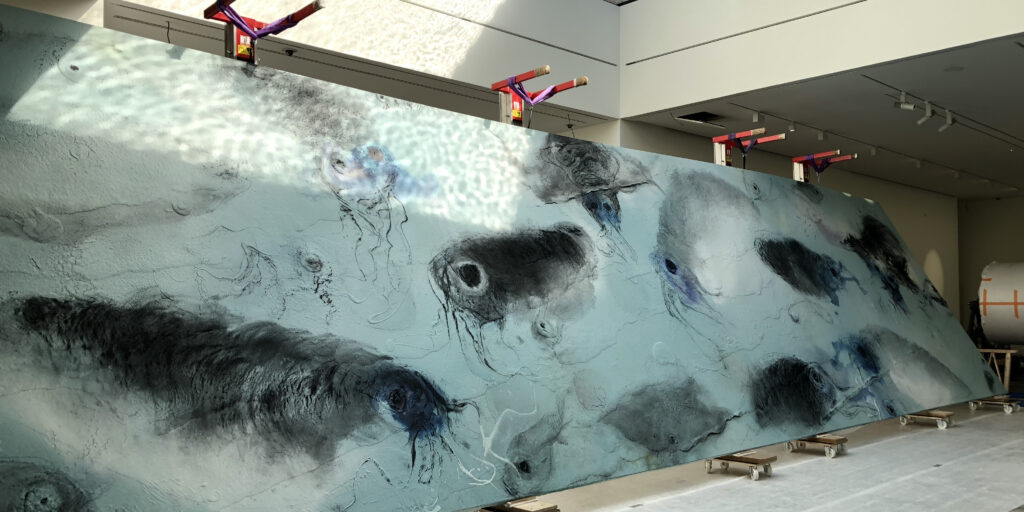
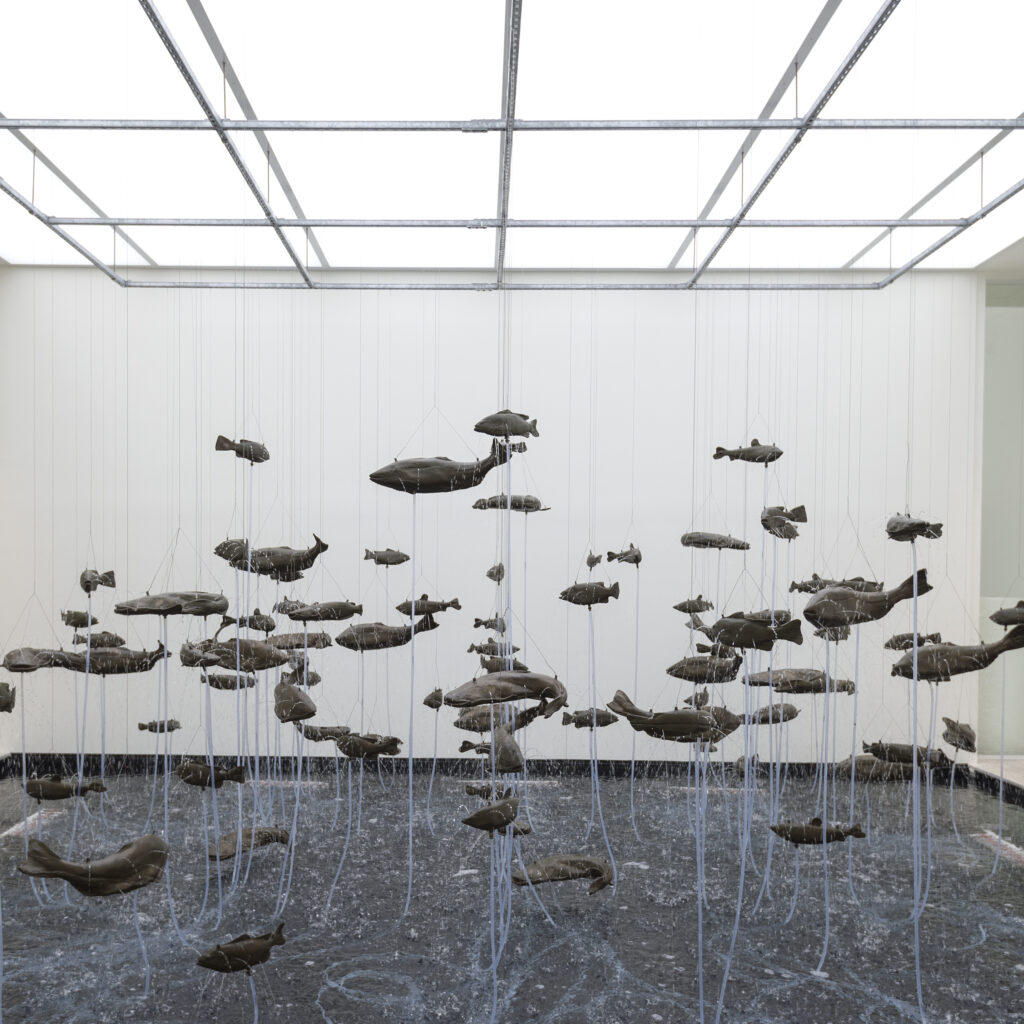
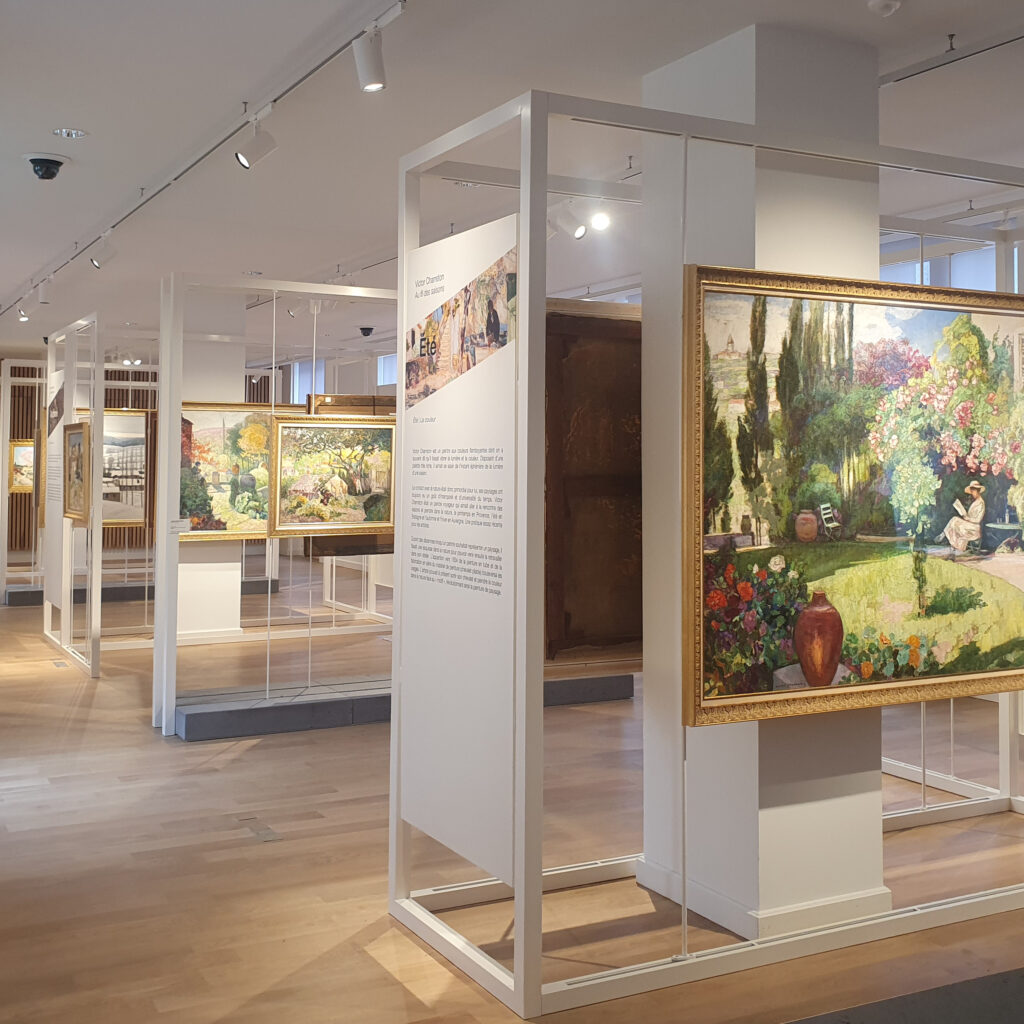
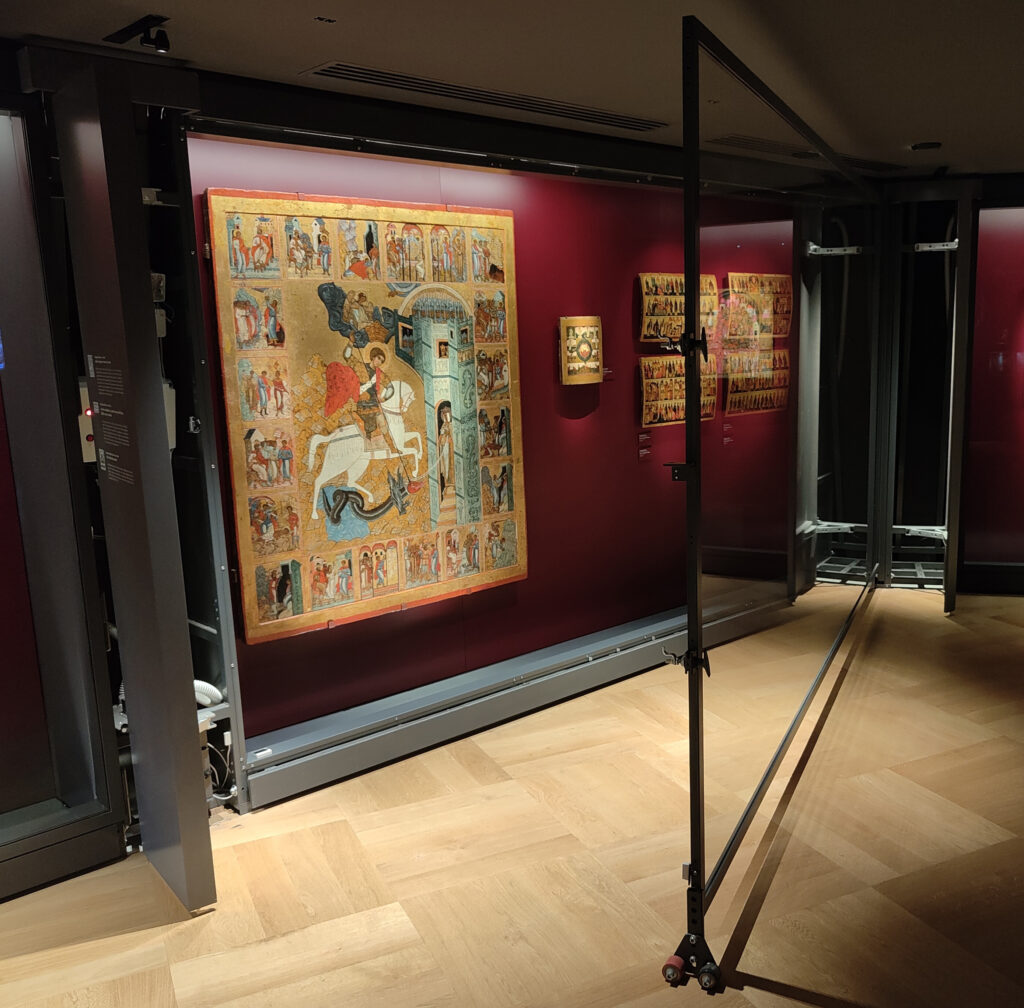
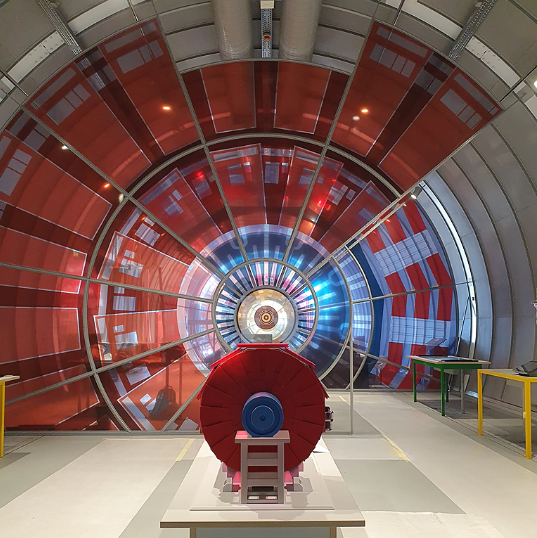
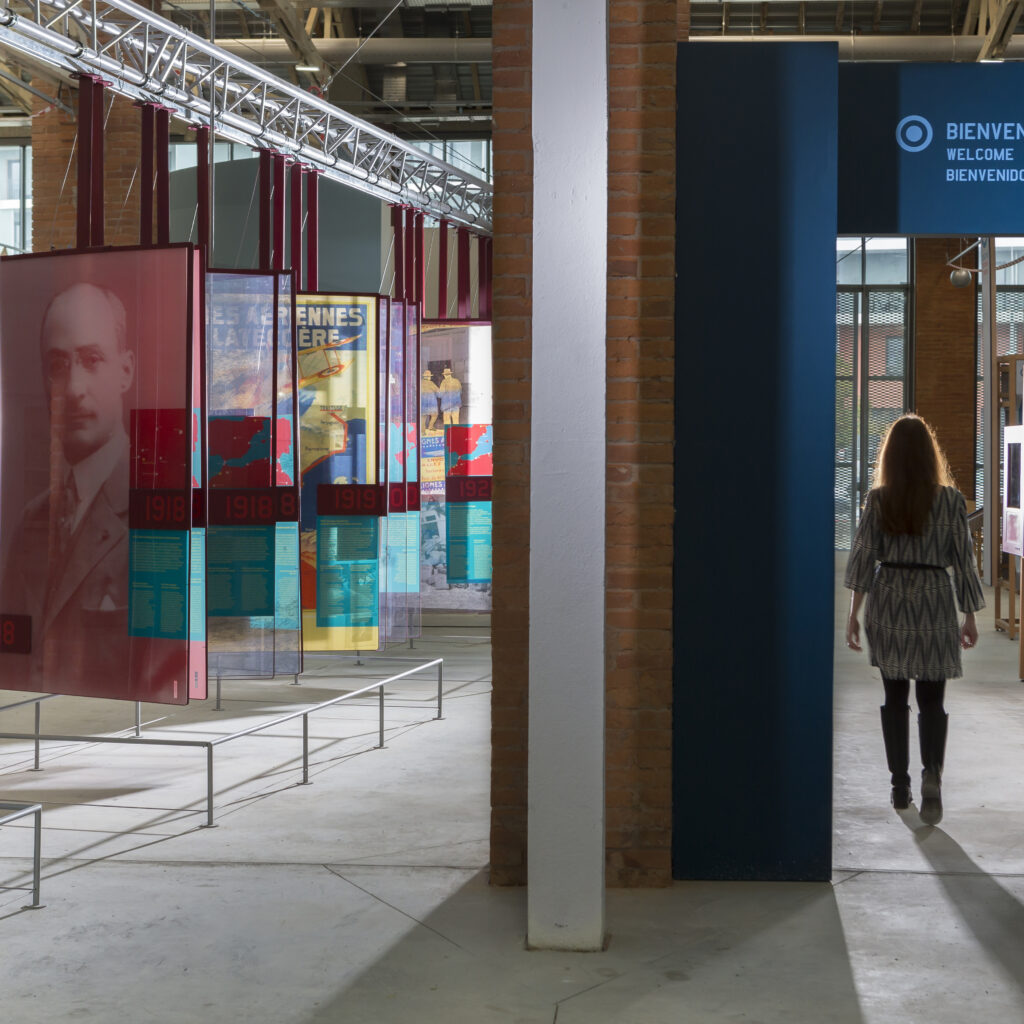
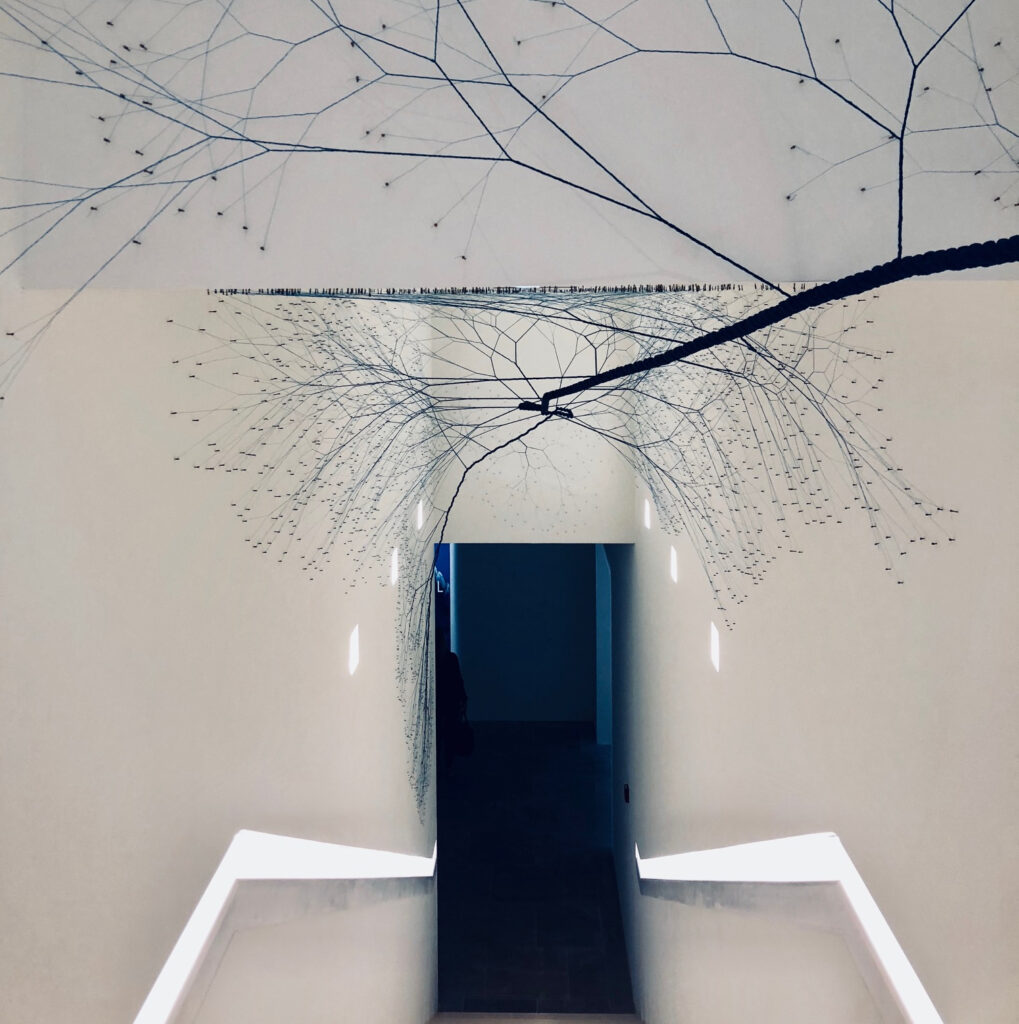
Museum design

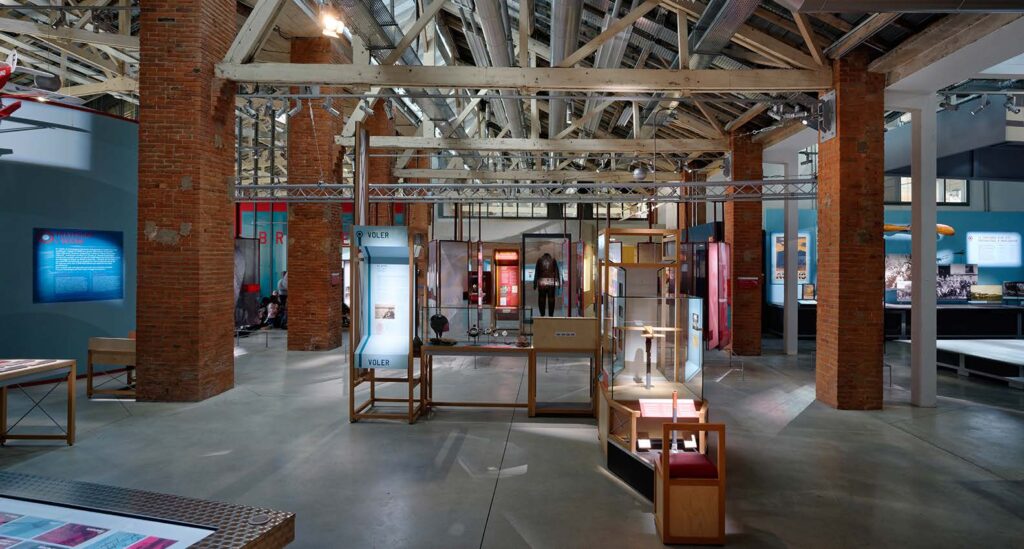
Support the definition of concepts for presenting collections and programs based on the expected visitor experience. Work on the design of the visitor paths and the various appropriate exhibition features (furniture, hands-on displays, showcases). Assist the architect and the client in the orientation and organization of volumes, spaces, circulation, and access in order to ensure their artistic and technical exploitation.